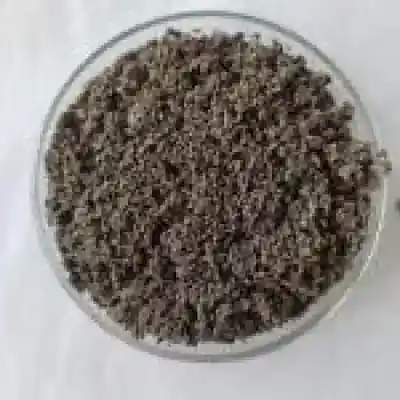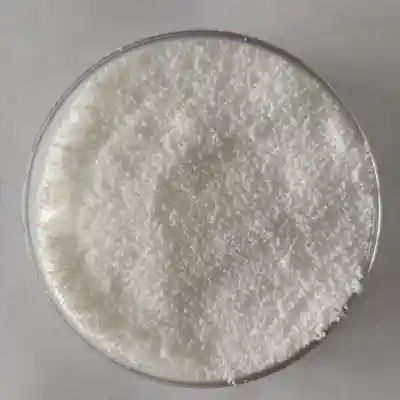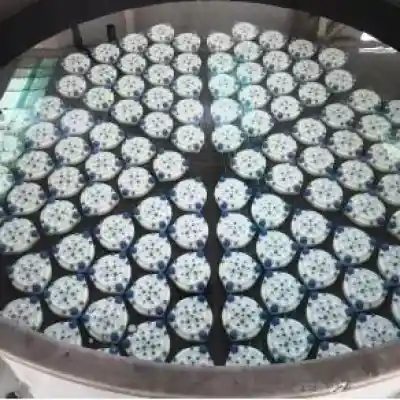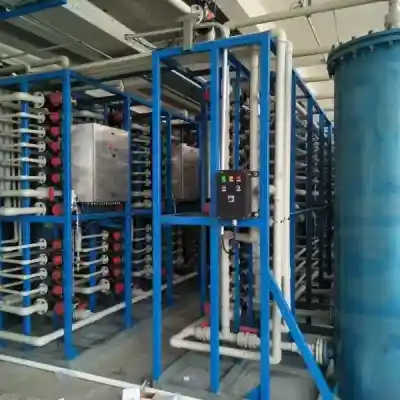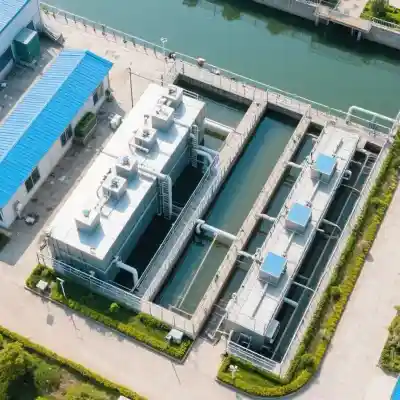

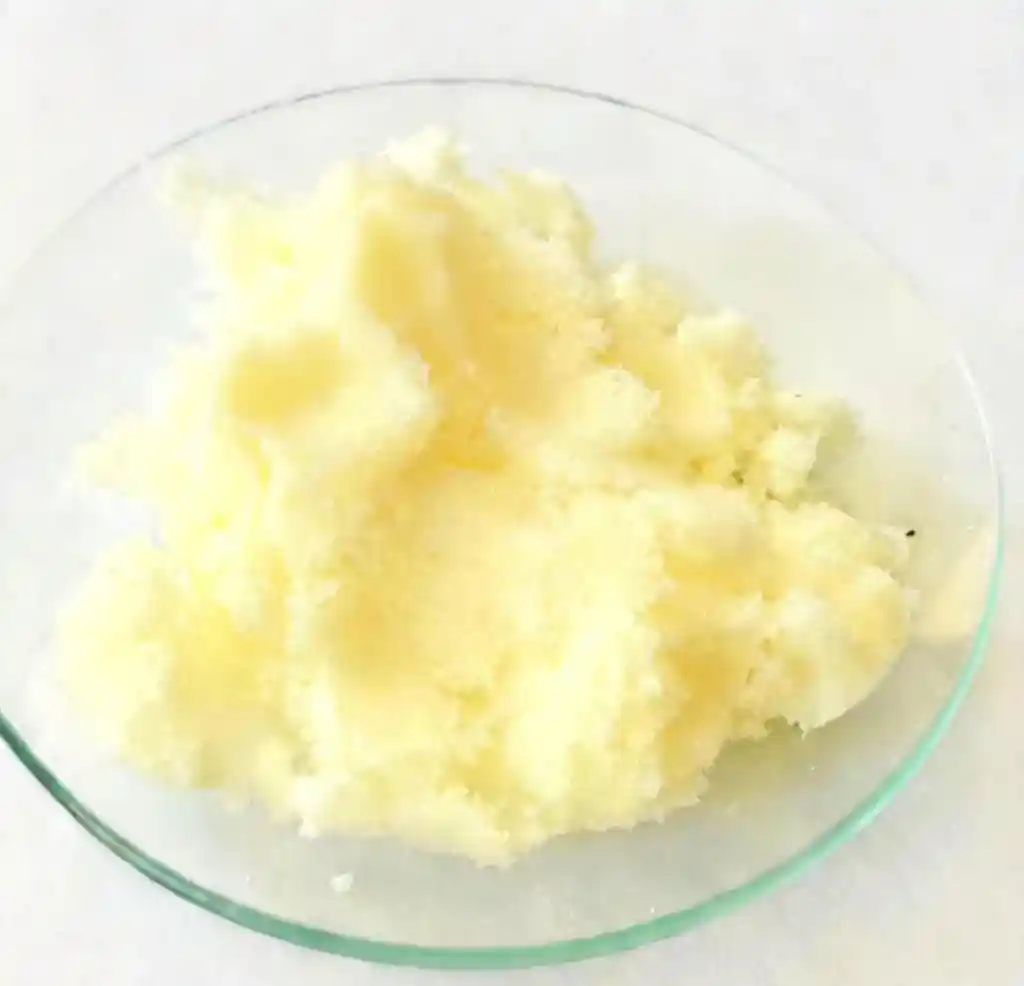
Thiol resin, also known as chelating resin, represents a specialized category of functional polymer materials that have revolutionized various industrial processes. With their unique thiol (-SH) functional groups, these resins exhibit exceptional selectivity for heavy metal ions, making them indispensable in modern purification technologies.
Thiol Resin Structure and Properties
At the molecular level, thiol resin is typically synthesized from styrene and divinylbenzene monomers, creating a cross-linked polymer matrix with pendant thiol groups. This structure provides several key advantages:
High Selectivity: The thiol groups form stable coordination complexes with precious metals like Pt, Rh, Pd, Ir, and Au, as well as heavy metals such as Hg²+ and Ag+.
Excellent Physical Stability: The cross-linked structure maintains its integrity under various operating conditions, including acidic and basic environments.
Regenerability: After adsorption saturation, thiol resin can be easily regenerated using appropriate eluents, extending its operational lifespan.
Industrial Applications of Thiol Resin
The unique properties of thiol resin enable its use across multiple industries:
Precious Metal Recovery
In mining and electronics manufacturing, thiol resin plays a critical role in recovering precious metals from waste streams. Its high selectivity allows for efficient extraction of gold, silver, and platinum group metals from complex solutions, significantly improving resource utilization rates.
Environmental Remediation
Thiol resin has become a cornerstone in water treatment technologies, particularly for removing heavy metal contaminants from industrial wastewater. By selectively capturing toxic ions like mercury, lead, and cadmium, these resins help meet strict environmental regulations while protecting aquatic ecosystems.
Chemical Catalysis
In organic synthesis, thiol resin serves as a versatile catalyst support material. Its surface thiol groups can immobilize metal nanoparticles, creating heterogeneous catalysts with enhanced stability and recyclability compared to homogeneous alternatives.
Future Developments in Thiol Resin Technology
Research continues to advance thiol resin capabilities, with ongoing efforts focused on:
Developing nanostructured thiol resin materials with enhanced surface area
Exploring functional group modifications to improve selectivity for specific metal ions
Creating hybrid materials combining thiol resin with other adsorbents for multi-functional applications
As global demand for sustainable resource management increases, thiol resin will continue to play a vital role in enabling efficient and eco-friendly industrial processes.
Disclaimer: Hairun Resin and its affiliates expressly disclaim all express or implied warranties (including, without limitation, warranties of timeliness, accuracy, completeness, reliability, or fitness for a particular purpose) with respect to the content of this document (including forward-looking statements). Neither Hairun Resin nor its affiliates shall be held liable for any consequences arising from errors, omissions, or other deficiencies in the document.