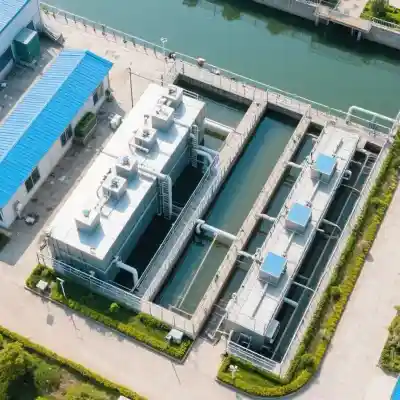

Waste water treatment has become a pressing challenge for industries globally, with Sodium Pyrithione(SPT) recycling emerging as a transformative approach to address both pollution control and resource recovery. For chemical enterprises, wastewater management involves three core challenges: high pollutant concentrations complicating treatment, valuable resource loss through discharge, and increasing regulatory pressures for compliance.
SPT recycling technology shifts from passive “end-of-pipe treatment” to active resource recovery. This innovative approach, exemplified by hairun resin technology, transforms wastewater treatment from a cost center into a resource efficiency driver, setting industry benchmarks for sustainable practices.
Industrial Application of SPT Recycling
Industrial wastewaters present unique challenges including high salinity inhibiting biological treatment, elevated COD levels increasing processing costs, and valuable target compounds escaping traditional treatment systems. These complexities demand specialized solutions beyond conventional treatment approaches.
SPT technology addresses these challenges through customizable process configurations validated through rigorous testing. From laboratory optimization to industrial-scale implementation, the system maintains consistent performance across varying water qualities. This scalability makes SPT suitable for diverse industrial sectors facing complex wastewater management issues.
SPT Recycling Process Design: Continuous Operation Model
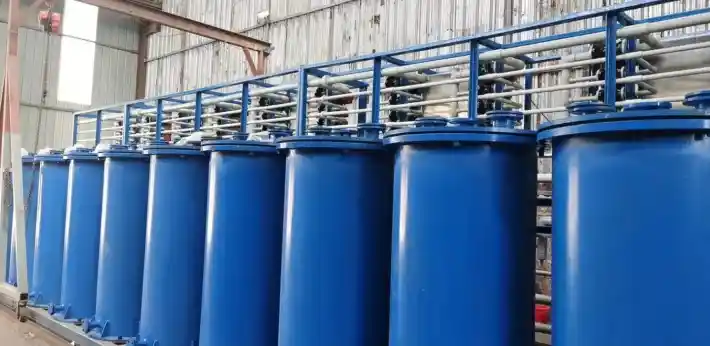
The SPT recycling system employs a three-column design to enable uninterrupted operation. Two columns work in parallel for contaminant adsorption while the third undergoes regeneration, creating a rotational cycle that eliminates downtime. This design significantly improves processing efficiency compared to traditional batch systems, supporting large-scale industrial applications.
Core Mechanism: Adsorption-Desorption-Recovery Loop
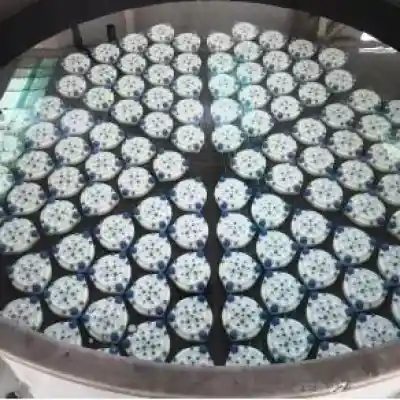
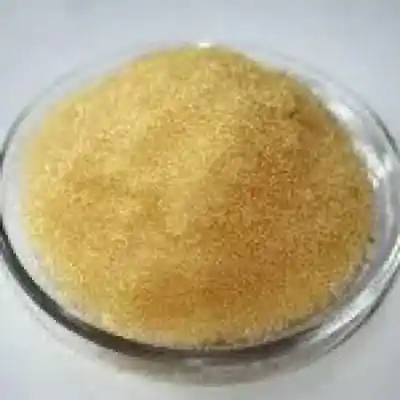
At the heart of SPT technology lies a closed-loop process leveraging specialized resin materials. These resins act as molecular sieves, selectively capturing target contaminants from complex wastewater streams. Regeneration solutions trigger chemical reactions that break down captured pollutants into recoverable intermediates, which are further processed into valuable resources through acidification.
This “pollutant-to-resource” conversion exemplifies the circular economy principles guiding modern waste water treatment innovation.
Environmental and Economic Benefits
COD Reduction and Emission Control
A key environmental benefit of SPT recycling is significant COD reduction, with contaminant levels typically decreased by over 66%. This performance directly supports compliance with stringent environmental regulations while minimizing ecological impact.
Desalination and Resource Recovery
SPT technology integrates desalination capabilities with resource recovery, stabilizing saline wastewater streams for industrial salt recycling. This dual functionality reduces reliance on freshwater resources and raw material extraction, creating both environmental and economic value.
Advancing Sustainable Waste Water Treatment
SPT recycling represents a paradigm shift in waste water treatment, integrating environmental protection with resource efficiency. By addressing high-salt and high-COD wastewater challenges, it transforms industrial waste into valuable resources while reducing emissions.
The technological capabilities of hairun resin systems enable efficient, cost-effective wastewater management across chemical, pharmaceutical, and other industries. As global water scarcity intensifies, such innovations will play an increasingly vital role in sustainable industrial development.
Disclaimer: Hairun Resin and its affiliates expressly disclaim all express or implied warranties (including, without limitation, warranties of timeliness, accuracy, completeness, reliability, or fitness for a particular purpose) with respect to the content of this document (including forward-looking statements). Neither Hairun Resin nor its affiliates shall be held liable for any consequences arising from errors, omissions, or other deficiencies in the document.