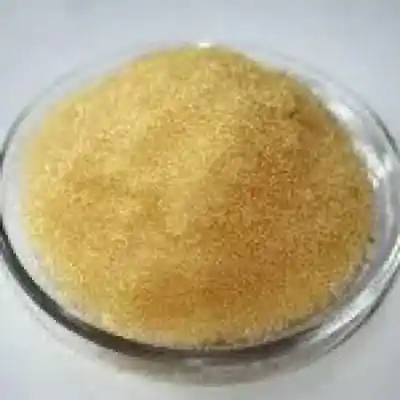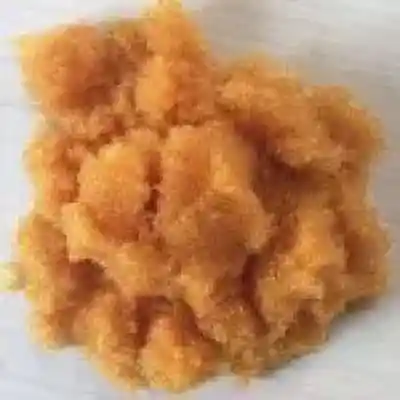

D-301 macroporous weakly alkaline anion exchange resin is a high-performance ion exchange material renowned for its exceptional adsorption capacity, mechanical durability, and versatility in industrial processes. As a styrene-divinylbenzene copolymer with tertiary amine functional groups, this resin stands out for its macroporous structure, which enhances kinetics and resistance to organic fouling compared to traditional gel-type resins.
Key Properties of D-301 Resin
The superior performance of D-301 stems from its carefully engineered physical and chemical characteristics. These properties make it ideal for demanding industrial environments where efficiency and longevity are critical.
Structural and Physical Attributes
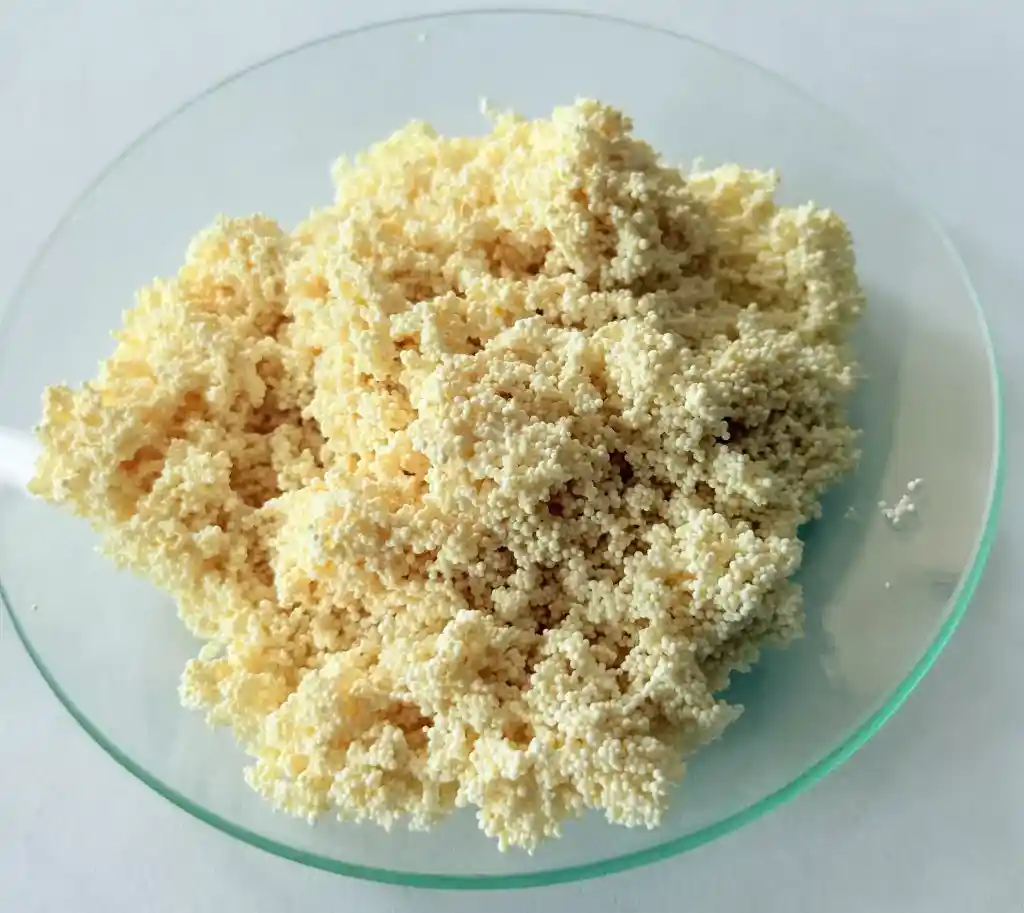
- Appearance: Milky white to pale yellow opaque spherical particles, ensuring uniform flow dynamics in packed beds.
- Particle Size: 0.315–1.25 mm (≥95% retention), with a uniformity coefficient ≤1.6, minimizing pressure drop during operation.
- Density: Wet true density of 1.030–1.060 g/ml and wet bulk density of 0.65–0.72 g/ml, balancing bed stability and adsorption efficiency.
Chemical Performance
- Exchange Capacity: Total exchange capacity ≥4.80 mmol/g (dry weight) and volume exchange capacity ≥1.45 mmol/ml, enabling high throughput in purification processes.
- Temperature Resistance: Maximum operating temperature of 60°C (free base form), suitable for moderate-temperature industrial streams.
Mechanical Strength
- Crush Resistance: ≥90% attrition Sphericity ratio,ensuring minimal particle breakage even under cyclic backwashing and regeneration.
- Osmotic Shock Resistance: Macroporous structure withstands volume changes during ion exchange, outperforming gel-type resins in durability.
Industrial Applications of D-301 Resin
D-301 ion exchange resin excels in diverse sectors, from food processing to wastewater treatment, leveraging its ability to selectively adsorb anions and organic contaminants.
Sugar Decolorization: Enhancing Product Purity
In the sugar industry, D-301 resin plays a pivotal role in decolorization and impurity removal. Its macroporous structure efficiently adsorbs large-molecular-weight pigments, polyphenols, and organic acids from sugar solutions, resulting in brighter, higher-purity products.
- Process Efficacy: Removes >90% of colorants in starch sugar and xylose production, with minimal loss of sugar solids.
Industrial Water Treatment: Purification and Contaminant Removal
D-301 resin is a cornerstone of industrial water treatment, used in demineralization, organic pollutant removal, and wastewater recycling.
- Demineralization: Removes inorganic anions (Cl⁻, SO₄²⁻, NO₃⁻) from feedwater, pre-treating water for high-purity applications like boiler steam generation.
- Wastewater Remediation: Treats electroplating wastewater by adsorbing Cr⁶⁺ and heavy metal complexes, and synergizes with activated carbon to purify peracetic acid-containing effluents .
Conclusion
D-301 ion exchange resin’s unique macroporous structure, high exchange capacity, and robust mechanical properties make it a reliable choice for sugar decolorization, industrial water treatment, and wastewater remediation. By integrating this resin into their processes, industries can achieve higher product purity, reduce environmental impact, and lower operational costs.
Disclaimer: Hairun Resin and its affiliates expressly disclaim all express or implied warranties (including, without limitation, warranties of timeliness, accuracy, completeness, reliability, or fitness for a particular purpose) with respect to the content of this document (including forward-looking statements). Neither Hairun Resin nor its affiliates shall be held liable for any consequences arising from errors, omissions, or other deficiencies in the document.