
Electronic grade hydrogen peroxide represents one of the most critical ultra-pure chemicals in modern semiconductor manufacturing. As chip fabrication processes advance to nanoscale dimensions, the demand for exceptionally pure chemicals has become paramount. Hydrogen peroxide serves as a fundamental oxidizing and cleaning agent in the production of integrated circuits, printed circuit boards, and display panels, making it indispensable for today’s advanced electronics manufacturing.
What Sets Electronic Grade H₂O₂ Apart?
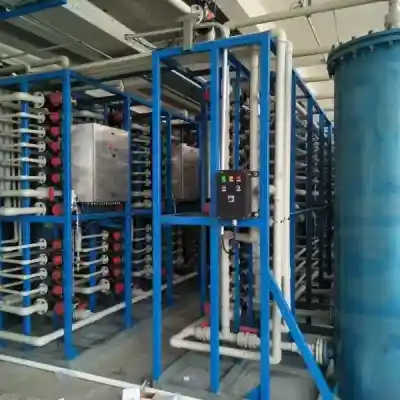
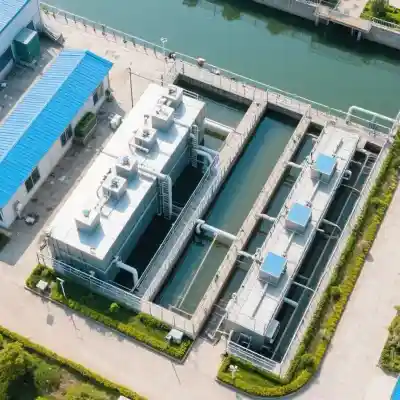
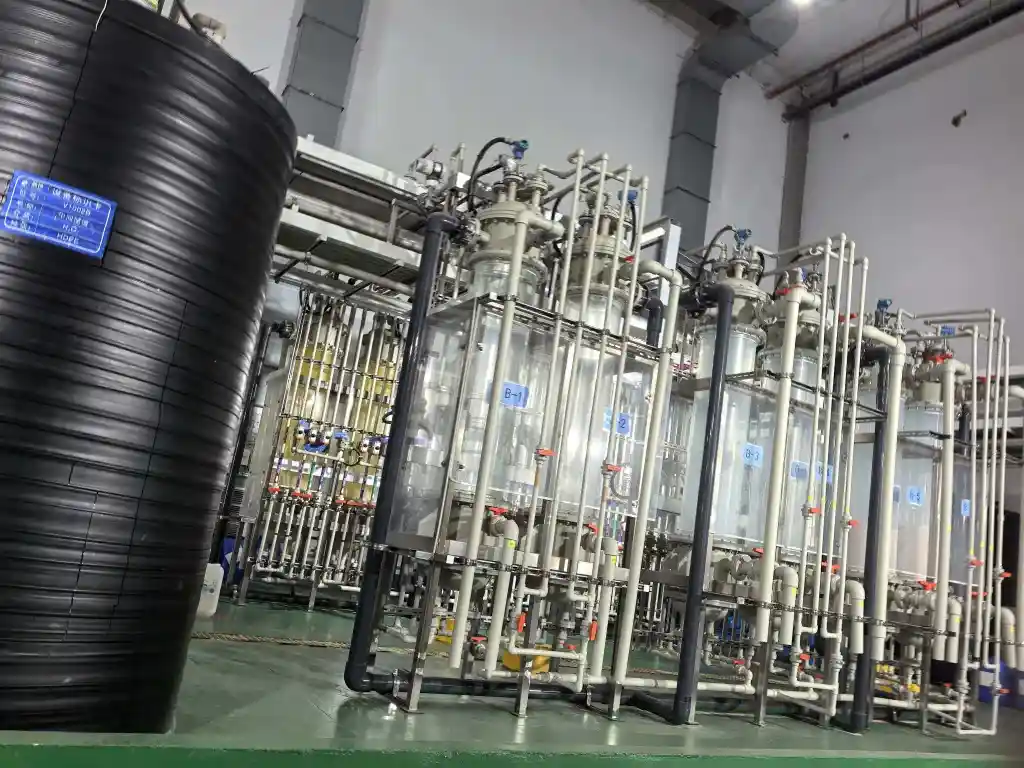
The distinction between industrial and electronic grade H₂O₂ lies in its exceptional purity and precise impurity control. While industrial-grade H₂O₂ may contain metal ion impurities in the ppm (parts per million) range, electronic grades achieve impurity levels measured in ppb or even ppt (parts per trillion). This remarkable purity is achieved through advanced purification techniques including:
- Multi-stage distillation processes
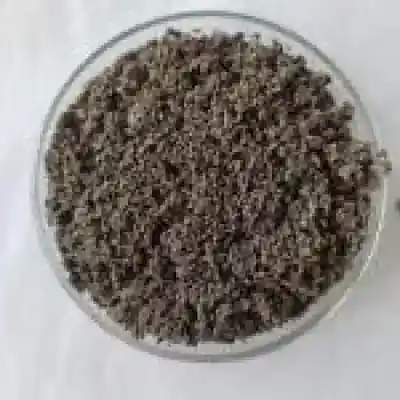
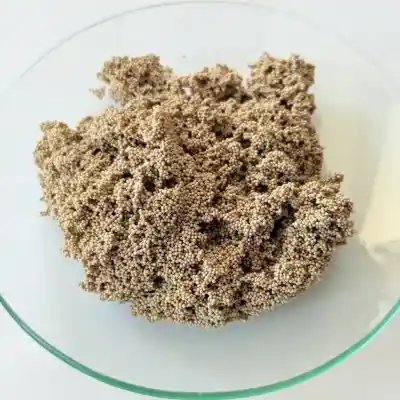
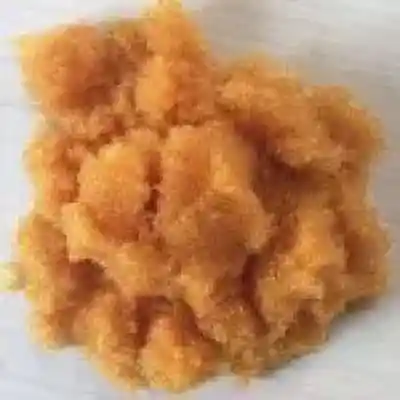
- Ion exchange resin treatment
- Membrane filtration systems
- Ultraviolet sterilization
The global electronic grade H₂O₂ market demonstrates the importance of this chemical, valued at USD 580 million in 2025 and projected to reach USD 1.54 billion by 2035, growing at a compound annual growth rate (CAGR) of 10.2%. This growth reflects increasing demand from semiconductor manufacturing, particularly in Asia-Pacific regions which account for 53% of global consumption.
Applications in Industrial Manufacturing
Silicon Wafer Cleaning for Solar Cells
Professional solar panel cleaning services often use deionized water combined with small amounts of H₂O₂ and vinegar to remove stubborn grime without leaving films that attract more dirt. This approach helps maintain optimal panel efficiency and prolongs system lifespan.
Solar panel cleaning solutions utilizing diluted hydrogen peroxide offer several advantages:
Effective organic removal: Breaks down stubborn organic residues without harsh chemicals
Non-abrasive: Gentle on panel surfaces, preventing damage to glass and cells
Environmentally friendly: Decomposes into water and oxygen, leaving no harmful residues
Cost-effective: Reduces the need for frequent cleaning by maintaining surface cleanliness
Semiconductor Silicon Materials Cleaning and Surface Preparation
The primary application of H₂O₂ in semiconductor manufacturing involves cleaning silicon wafers and removing surface contaminants. As chip features shrink below 7nm, even trace amounts of impurities can cause device failures. The cleaning process accounts for 30-40% of the entire semiconductor manufacturing workflow, underscoring the critical role of electronic grade H₂O₂.
Conclusion
Electronic grade H₂O₂ stands as a cornerstone of modern semiconductor manufacturing, enabling the production of increasingly sophisticated electronic devices. Its unique properties—powerful oxidizing capability, exceptional purity, and environmental friendliness—make it indispensable for cleaning and corrosion control of semiconductor silicon materials.
The combination of robust purification technologies, stringent quality standards, and innovative applications ensures that electronic grade H₂O₂ will remain a critical enabler of technological progress for years to come. Whether in the fab, laboratory, or R&D facility, this remarkable chemical continues to push the boundaries of what’s possible in semiconductor manufacturing and advanced electronics production.
Disclaimer: Hairun Resin and its affiliates expressly disclaim all express or implied warranties (including, without limitation, warranties of timeliness, accuracy, completeness, reliability, or fitness for a particular purpose) with respect to the content of this document (including forward-looking statements). Neither Hairun Resin nor its affiliates shall be held liable for any consequences arising from errors, omissions, or other deficiencies in the document.