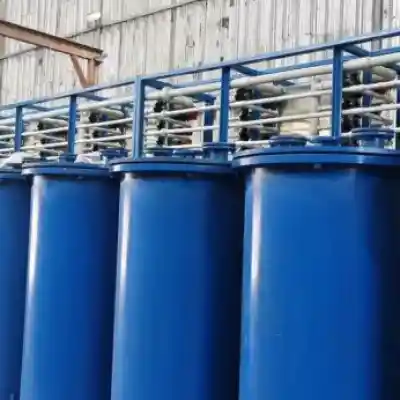

Resin polish, a critical process in ion exchange technology, enables the production of ultra-pure water and high-performance materials for industries like nuclear energy and electronics. By leveraging ion exchange resins, this technique removes trace impurities, ensuring water and materials meet stringent purity standards. From powering nuclear reactors to enabling 5G semiconductors, resin polish plays a pivotal role in modern manufacturing.
How Resin Polish Works
Resin polish relies on ion exchange resins—polymeric beads with charged functional groups that attract and replace ions in a solution. The process involves three key steps, often integrated into Electrodeionization (EDI) systems:
Electrolysis: A direct current drives cations toward the cathode and anions toward the anode, separating impurities from the feedwater.
Ion Exchange: Cations and anions bind to resin sites, exchanging with H⁺ and OH⁻ ions.
Electrochemical Regeneration: Water splits into H⁺ and OH⁻ under electrical current, regenerating resins without chemicals.
This continuous cycle ensures resins maintain high efficiency, making Ion exchange resin after polishing process ideal for producing ultra-pure water.
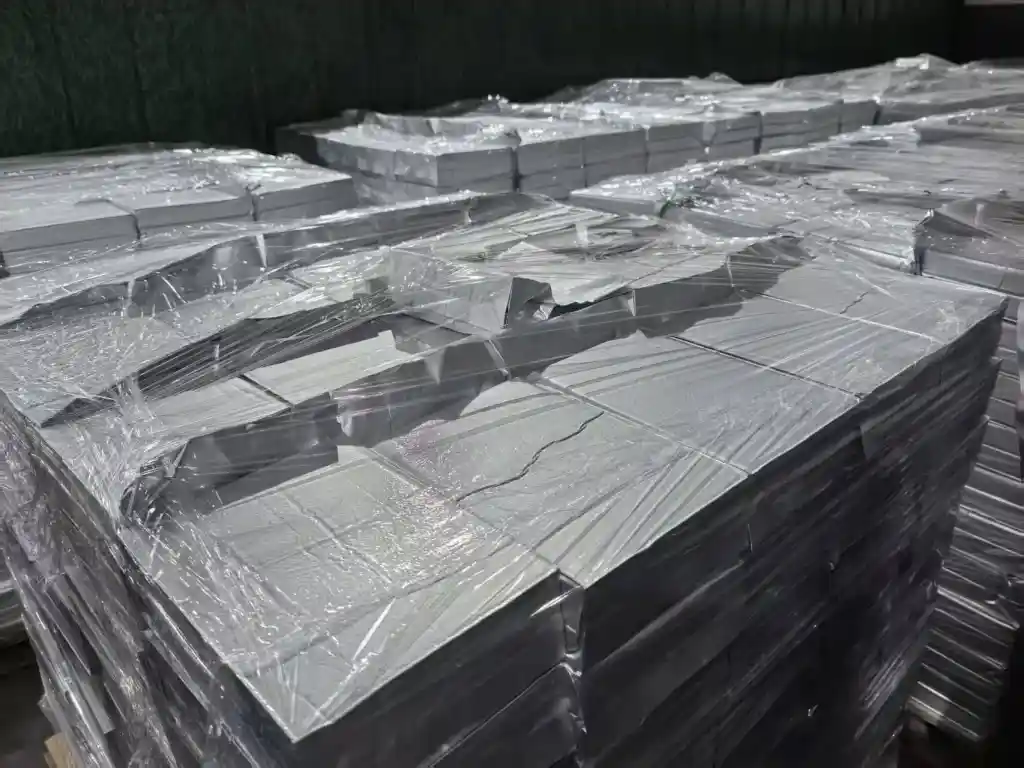
Nuclear Grade Resin: Ensuring Safety in Atomic Energy
Nuclear grade resin is engineered to withstand extreme radiation and chemical stress while maintaining purity. Key specifications include:
- Metal Impurities: Extremely low impurities to prevent radioactive activation.
- Uniform Particle Size: Ensures consistent flow and minimal pressure drop in reactor systems.
Applications:
- Reactor Coolant Treatment: Remove radioactive cations and anions, controlling pH to prevent corrosion.
- Spent Fuel Pool Purification: Mixed-bed resins maintain water clarity and radiation shielding.
Electronic Grade Resin: Powering Next-Gen Electronics
Electronic grade resin delivers ultra-low ionic contamination and thermal stability, critical for semiconductor and 5G manufacturing. Key features:
- Dielectric loss: Ensuring signal integrity in high-frequency circuits.
- Metal ion level: Meeting strict semiconductor purity requirements.
Why Resin Polish Matters: Resin Polish Bridges Material Science and Industrial Safety
- Nuclear Sector: Prevents radiation leaks and extends reactor lifespan by purifying coolants.
- Electronics: Enables miniaturization, with resins supporting high-precision chip fabrication.
As technology advances, innovations like nano-engineered resins and AI-optimized regeneration are set to redefine purity standards.
Disclaimer: Hairun Resin and its affiliates expressly disclaim all express or implied warranties (including, without limitation, warranties of timeliness, accuracy, completeness, reliability, or fitness for a particular purpose) with respect to the content of this document (including forward-looking statements). Neither Hairun Resin nor its affiliates shall be held liable for any consequences arising from errors, omissions, or other deficiencies in the document.