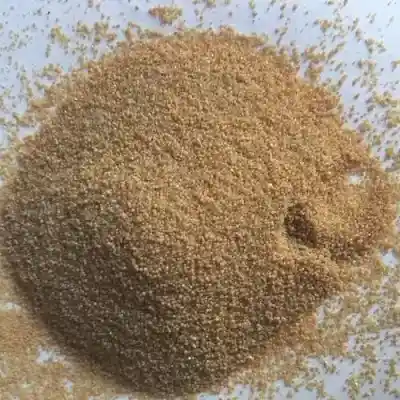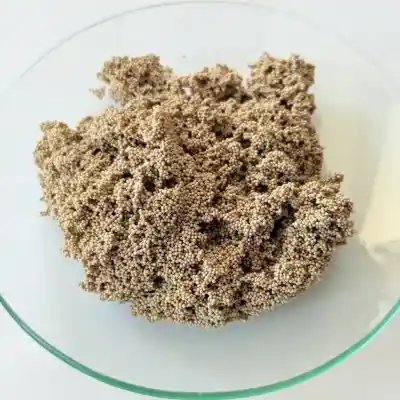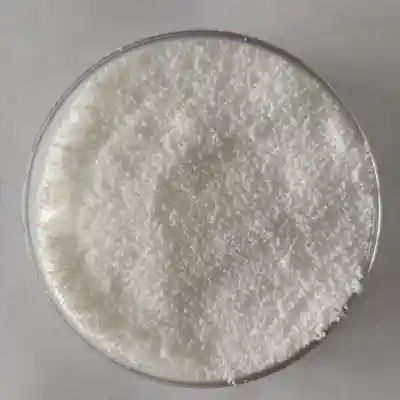

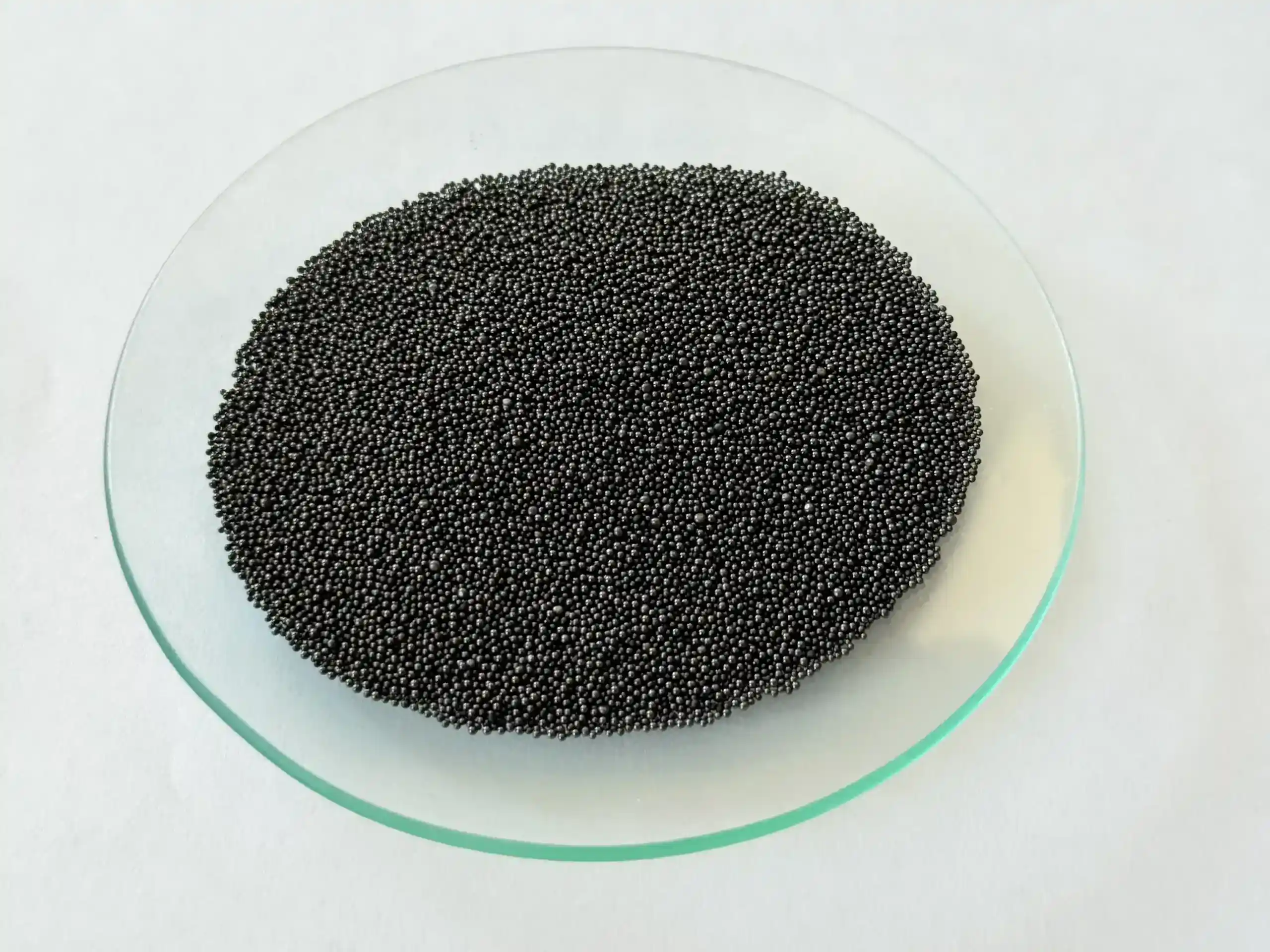
HA-800 adsorption resin is a cutting-edge solution designed specifically for the removal of arsenate ions from water sources. This advanced adsorption resin combines innovative technology with superior performance to address the critical issue of arsenic contamination in drinking water and agricultural irrigation systems.
Performance Parameters
HA-800 adsorption resin is engineered to deliver consistent and reliable performance across a wide range of water conditions. One of its most notable characteristics is its broad pH tolerance, with effective operation possible between pH 0 and 12.
The resin particles are carefully sized between 0.45-1.25mm, ensuring optimal flow dynamics within treatment systems. This particle size range balances the need for sufficient surface area for adsorption with the requirement for adequate water flow through the resin bed.
HA-800 maintains its efficiency even under varying temperature conditions, making it suitable for use in different climates and seasons. Its robust physical structure ensures minimal attrition during handling and operation, contributing to a long service life and consistent performance over time.
Applications in Drinking Water Treatment
The removal of arsenate ions is critical for ensuring safe drinking water, as specified by both the World Health Organization (WHO) and the Environmental Protection Agency (EPA). HA-800 adsorption resin plays a vital role in achieving this goal by effectively reducing arsenic levels to meet strict regulatory standards.
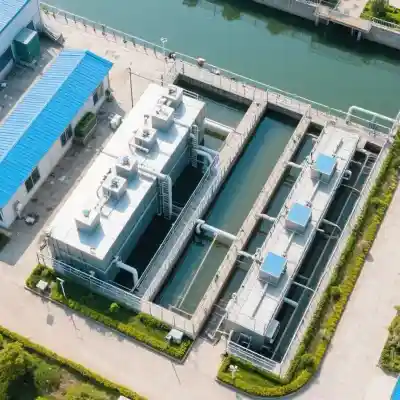
In community water treatment plants, HA-800 can be integrated into existing filtration systems to provide an additional layer of protection against arsenic contamination. The resin’s high selectivity ensures that it targets arsenate ions specifically, without removing essential minerals that are beneficial for human health.
For smaller-scale applications, such as rural water supplies or individual households, HA-800 can be used in point-of-use filtration systems. These compact units provide households with a reliable method to ensure their drinking water is free from harmful arsenic levels, even when the main water supply is contaminated.
Use in Agricultural Irrigation Water
Agricultural irrigation water is another important application area for HA-800 adsorption resin. Arsenic-contaminated water used for irrigation can accumulate in crops, leading to potential health risks for consumers and reduced crop yields.
By treating irrigation water with HA-800, farmers can significantly reduce arsenic levels, protecting both their crops and the people who consume them. This is particularly important in areas where groundwater is the primary source of irrigation water and naturally high arsenic levels are common.
The use of HA-800 in agricultural settings is not only beneficial for food safety but also for sustainable farming practices. By removing arsenate ions from irrigation water, farmers can prevent soil contamination and maintain soil health for future crop production.
Conclusion
HA-800 adsorption resin represents a significant advancement in the field of water treatment, offering HA-800 as an efficient, reliable, and cost-effective solution for the removal of arsenate ions.
As concerns about water quality continue to grow globally, the importance of effective arsenic removal technologies like HA-800 will only increase. By investing in advanced adsorption resins, communities can ensure access to safe drinking water and protect valuable agricultural resources.
The ongoing development and improvement of adsorption technologies hold great promise for addressing emerging water quality challenges.
Disclaimer: Hairun Resin and its affiliates expressly disclaim all express or implied warranties (including, without limitation, warranties of timeliness, accuracy, completeness, reliability, or fitness for a particular purpose) with respect to the content of this document (including forward-looking statements). Neither Hairun Resin nor its affiliates shall be held liable for any consequences arising from errors, omissions, or other deficiencies in the document.