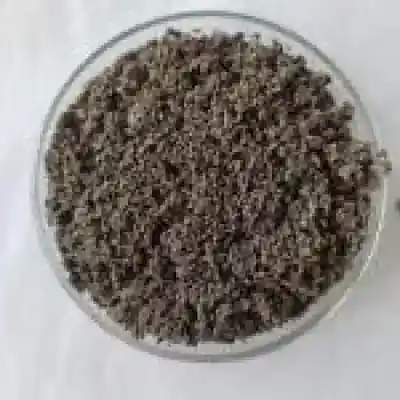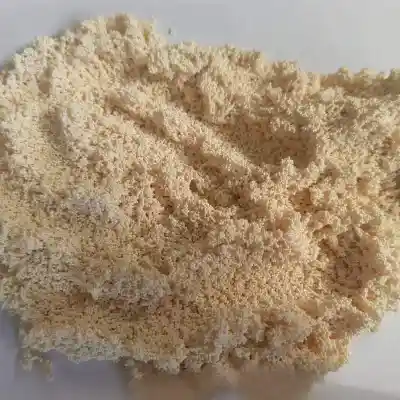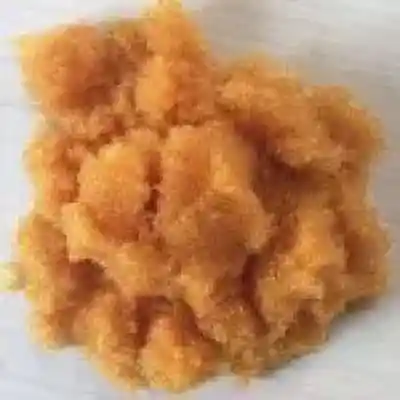

In the chlor-alkali industry, brine purity determines production efficiency and operational costs. The HO-1 Chelating Resin provides reliable secondary brine purification for ion-exchange membrane electrolysis.
The Chlor-Alkali Industry: The Cornerstone of Modern Chemical Industry
The chlor-alkali industry produces three fundamental chemical raw materials—caustic soda (sodium hydroxide), chlorine, and hydrogen—through the electrolysis of saturated brine. These products are widely used in:
| Product | Main Application Areas |
| Caustic Soda | Pulp & Paper, Textiles, Alumina, Water Treatment, Soaps & Detergents |
| Chlorine | PVC, Pesticides, Disinfectants, Hydrochloric Acid, Organic Chlorides |
| Hydrogen | Ammonia Synthesis, Petroleum Refining, Electronics Industry, Fuel Cells |
The ion-exchange membrane process is currently the mainstream technology for chlor-alkali production, accounting for over 80% of global capacity. This process features low energy consumption, high product purity, and minimal environmental pollution, but it also imposes extremely stringent requirements on brine quality.
Ion-Exchange Membrane Requirements for Brine Purity
Modern ion-exchange membrane electrolyzers have extremely strict quality requirements for secondary purified brine:
| Indicator | Control Requirement |
| Ca²⁺ + Mg²⁺ | < 20 ppb |
| Sr²⁺ | < 0.5 ppm |
| Ba²⁺ | < 0.5 ppm |
| Fe³⁺ | < 20 ppb |
| Ni²⁺ | < 20 ppb |
| Total Heavy Metals | < 10 ppb |
Achieving impurity control at the ppb level is difficult with traditional chemical precipitation methods alone and must rely on efficient ion-exchange resins for deep purification.
HO-1 Chelating Resin: The Core Material for Secondary Brine Purification
Product Overview
HO-1 Chelating Resin is a high-performance product developed by Hairun Resin specifically for secondary brine purification in the chlor-alkali industry. It utilizes iminodiacetic acid functional groups, which possess excellent selective adsorption capacity for divalent cations such as calcium, magnesium, strontium, and barium. It can stably control brine impurity content within the requirements for ion-exchange membrane electrolysis.
Core Technical Advantages
Precise Selective Adsorption: The iminodiacetic acid functional group has far higher selectivity for polyvalent cations than for monovalent ions, enabling efficient capture of target impurities even in high-concentration sodium salt environments.
High Exchange Capacity: High capacity means longer operating cycles and lower replacement frequency.
Excellent Mechanical Strength: Ensures the resin maintains structural integrity during long-term operation and frequent regeneration.
Wide pH Adaptation Range: Resistant to acid and alkali corrosion, suitable for harsh regeneration conditions.
Product Technical Parameters
| Item | Specification |
| Appearance | Light yellow, opaque spherical beads |
| Particle Size (0.315-1.25 mm) | ≥ 95.0% |
| Functional Group | Iminodiacetic Acid |
| Moisture Content | 53 ~ 62% |
| Wet Apparent Density | 0.7 ~ 0.8 g/mL |
| Osmotic Attrition Sphericity Rate | ≥ 90% |
| Transformation Expansion Rate | 25 ~ 30% |
| Matrix Structure | Styrene-Divinylbenzene Copolymer |
| Ionic Form as Supplied | Na⁺ |
Application of HO-1 Resin in Secondary Brine Purification
Process Flow
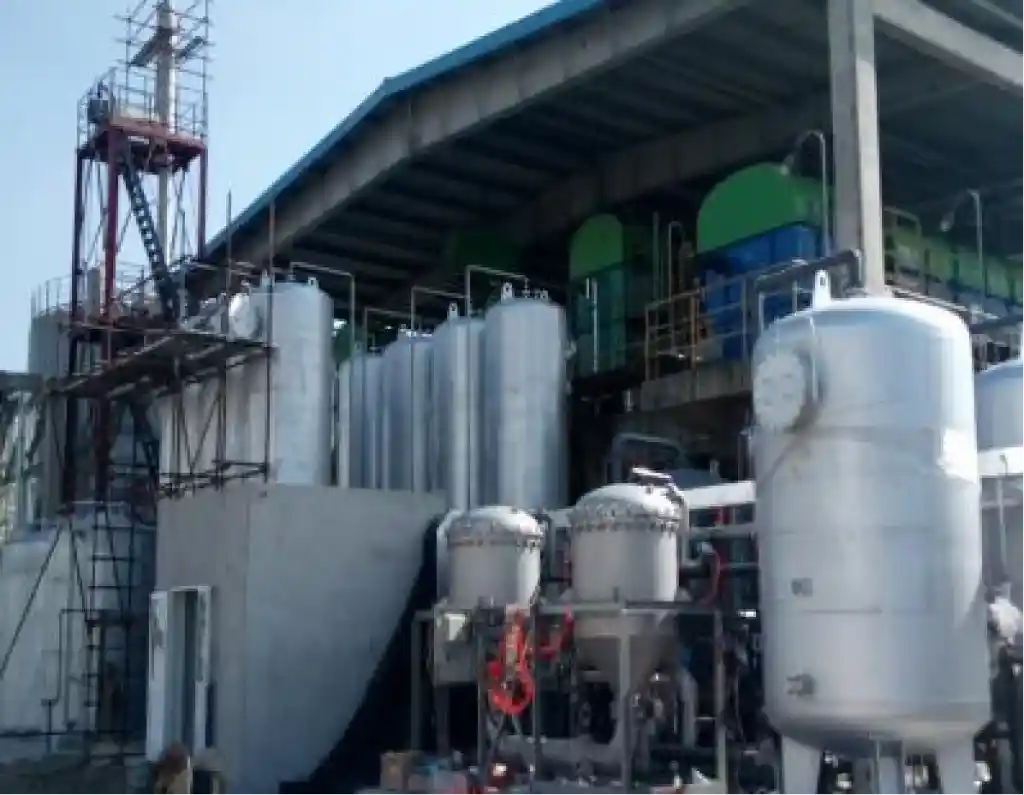
The secondary brine purification system typically operates in a multi-column series or parallel mode:
Primary Purified Brine → Filtration → Chelating Resin Column (HO-1) → Purified Brine → Ion-Exchange Membrane Electrolyzer
Recommended Operating Parameters
| Parameter | Recommended Range |
| Operating Flow Rate | 1 ~ 3 BV/h |
| Regenerant Concentration (HCl) | 4 ~ 5% |
| Regeneration Flow Rate | 2 ~ 3 BV/h |
| Conversion Agent Concentration (NaOH) | 4 ~ 5% |
| Operating Temperature | Ambient ~ 60°C |
Note: Specific parameters should be determined based on factors such as raw brine quality, treatment capacity, and equipment specifications. Consultation with our technical engineers is recommended.
Reasons to Choose Hairun Resin
Quality Comparable to International Leaders
Product performance indicators are benchmarked against international mainstream brands, with several parameters meeting or exceeding industry-leading levels.
Significant Cost-Effectiveness:
Offers more competitive pricing for equivalent performance, helping customers reduce procurement and overall operational costs.
Comprehensive Technical Service:
Pre-project: Raw brine sample analysis, resin selection calculations, process design.
Mid-project: System commissioning guidance, operator training, performance optimization.
Post-project: Regular follow-ups, performance testing, resin rejuvenation services, rapid spare parts supply.
Rapid Response Mechanism
A professional technical team provides 24/7 response, with on-site support for urgent issues within 48 hours to ensure uninterrupted customer production.
Continuous R&D Innovation
Collaborates with multiple research institutes to continuously optimize product performance and develop customized resins for different operating conditions.
Disclaimer: Hairun Resin and its affiliates expressly disclaim all express or implied warranties (including, without limitation, warranties of timeliness, accuracy, completeness, reliability, or fitness for a particular purpose) with respect to the content of this document (including forward-looking statements). Neither Hairun Resin nor its affiliates shall be held liable for any consequences arising from errors, omissions, or other deficiencies in the document.