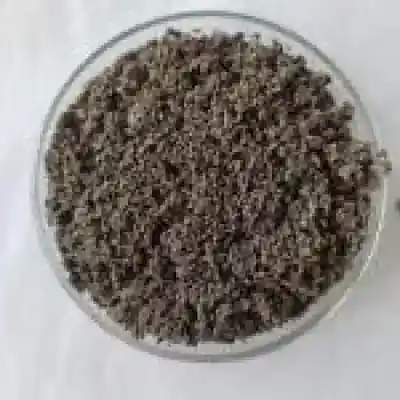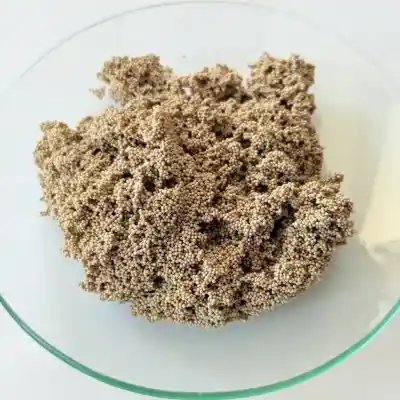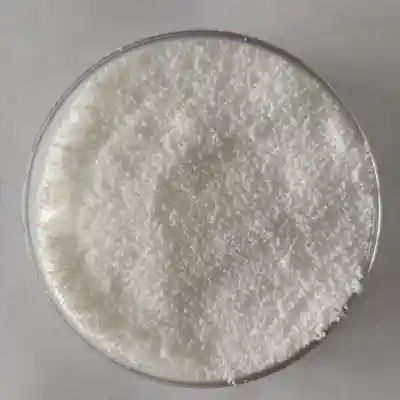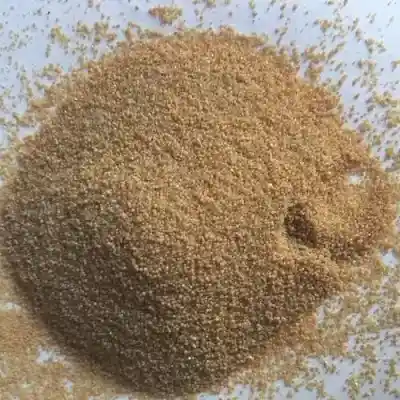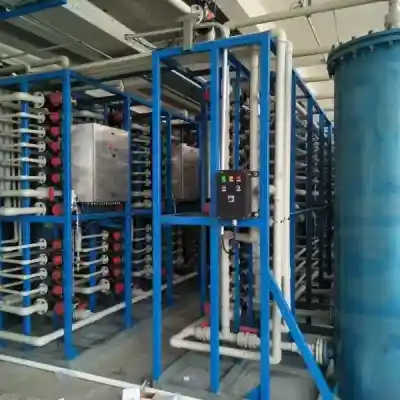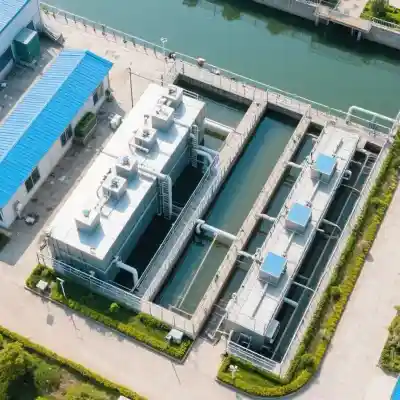

HO-7 chelating resin stands out as a cutting-edge solution for boron removal, offering unparalleled efficiency and selectivity in various industrial applications. As a specialized chelating resin, it has redefined standards in water treatment, particularly in scenarios where precision and reliability are non-negotiable.
Key Properties
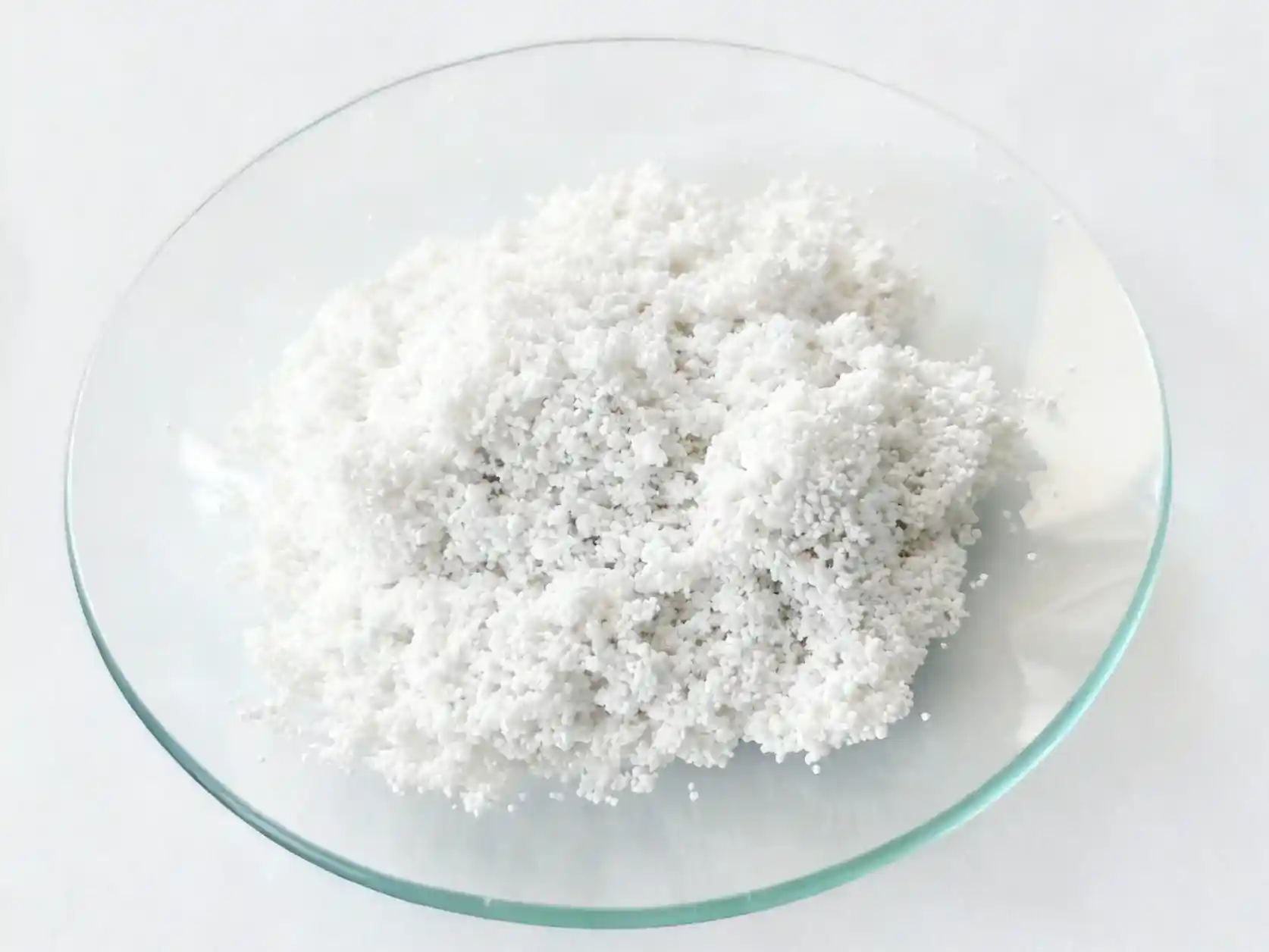
HO-7 chelating resin boasts a macroporous polystyrene structure functionalized. This design ensures exceptional selectivity for boron even in high-salt environments, a critical advantage over conventional ion exchange resins.
With a total exchange capacity exceeding 0.8 mmol/mL and a boron saturation adsorption capacity of over 15 mg/mL (calculated as boric acid), HO-7 delivers superior performance compared to many competitors.
Its physical robustness is evident in its high sphericity (>95%) and excellent crush strength, ensuring minimal attrition during long-term operation.
Applications in Boron Removal
The primary application of HO-7 chelating resin lies in boron removal processes across multiple industries.
In seawater desalination, it efficiently reduces boron levels to meet drinking water standards.
In the lithium battery industry, HO-7 plays a crucial role in purifying lithium salt solutions. This application has become increasingly vital as the demand for electric vehicles and energy storage systems continues to surge.
Another significant application is in geothermal water treatment. HO-7 effectively removes boron from geothermal fluids, enabling their safe reinjection into reservoirs or reuse in various applications such as agriculture and aquaculture.
Future Developments and Innovations
As industries continue to evolve, HO-7 chelating resin is poised to adapt to emerging challenges. Its unique properties and versatile applications make it an indispensable tool in modern water treatment and resource recovery processes. There is also a growing emphasis on optimizing regeneration processes to further reduce water and chemical consumption.As environmental regulations become more stringent and water scarcity concerns grow, the importance of advanced chelating resins like HO-7 will only continue to rise.
Disclaimer: Hairun Resin and its affiliates expressly disclaim all express or implied warranties (including, without limitation, warranties of timeliness, accuracy, completeness, reliability, or fitness for a particular purpose) with respect to the content of this document (including forward-looking statements). Neither Hairun Resin nor its affiliates shall be held liable for any consequences arising from errors, omissions, or other deficiencies in the document.