
Macroporous resin and gel resin are two fundamental types of ion exchange resins with distinct structures and applications. Understanding their production processes, performance differences, and industrial uses is crucial for selecting the right resin for specific tasks, from water treatment to pharmaceutical purification.
Production Processes of Macroporous Resin and Gel Resin
Macroporous Resin
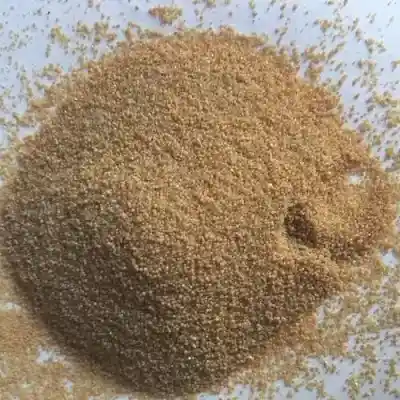
Macroporous resin production involves three key steps: monomer selection, polymerization, and pore formation. Styrene and divinylbenzene (DVB) are common monomers, with DVB acting as a cross-linking agent to enhance structural stability. During suspension polymerization, inert solvents like toluene or hexane are added as porogens. These solvents create voids in the polymer matrix, which remain as permanent pores after extraction.
Gel Resin
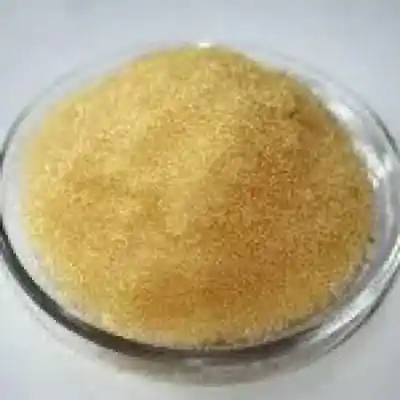
Gel resin is synthesized without porogens, using only monomers and cross-linking agents. The polymerization of styrene or acrylic acid derivatives with DVB forms a dense, transparent network. Unlike macroporous resin, gel resin’s pores are not permanent; they form dynamically when the resin swells in water. The process is simpler and more cost-effective.
Performance Comparison: Macroporous Resin vs Gel Resin
Structural Differences
Macroporous resin has a higher specific surface area and larger pore volume compared to gel resin . The permanent pores of macroporous resin ensure consistent performance in both wet and dry states, while gel resin’s swelling-dependent pores limit its use in non-aqueous environments.
Adsorption Capacity and Kinetics
Gel resin exhibits higher ion exchange capacity (4–6 mmol/g) due to its dense functional group distribution. However, macroporous resin shows faster adsorption kinetics for large molecules like proteins, thanks to its interconnected pore network.
Chemical and Mechanical Stability
Macroporous resin demonstrates superior resistance to organic fouling and oxidation, making it suitable for wastewater treatment with high organic loads. Gel resin, though efficient for small ions, is prone to pore blockage by large molecules, reducing its lifespan in contaminated environments.

Industrial Applications
Water Treatment
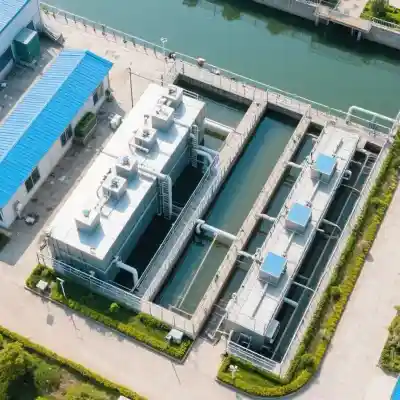
Macroporous resin is ideal for removing organic pollutants and heavy metals. Its high contamination resistance makes it effective in treating industrial wastewater containing phenols and dyes. Gel resin, with its high exchange capacity, is preferred for softening hard water and demineralization in power plants.
Pharmaceutical Purification
In pharmaceutical manufacturing, macroporous resin plays a key role in extracting antibiotics like erythromycin and purifying herbal extracts such as Dange Dropping Pills. Gel resin is used for fine chemical separations where high resolution is required.
Precious Metal Recovery
Macroporous resin with thiol functional groups selectively adsorbs gold and platinum from cyanide leachates, with recovery rates exceeding 99%.
Conclusion: Choosing the Right Resin
Macroporous resin excels in applications requiring high flow rates, large molecule adsorption, and contamination resistance, such as wastewater treatment and antibiotic extraction. Gel resin is more cost-effective for small ion exchange in pure water systems. For specialized needs, hybrid systems combining both resins optimize performance and cost.
Disclaimer: Hairun Resin and its affiliates expressly disclaim all express or implied warranties (including, without limitation, warranties of timeliness, accuracy, completeness, reliability, or fitness for a particular purpose) with respect to the content of this document (including forward-looking statements). Neither Hairun Resin nor its affiliates shall be held liable for any consequences arising from errors, omissions, or other deficiencies in the document.