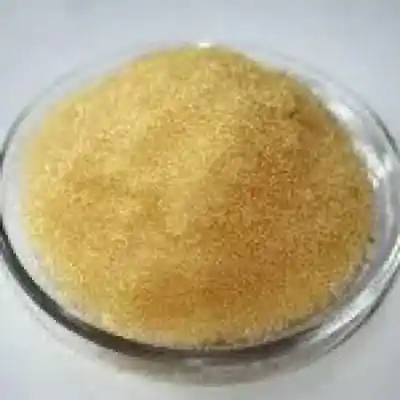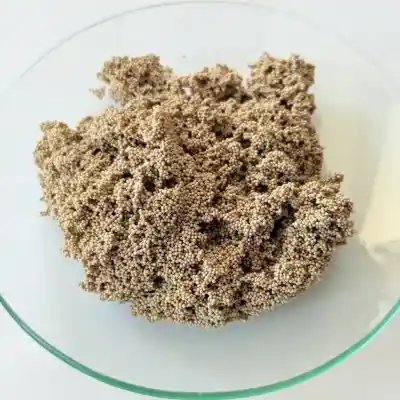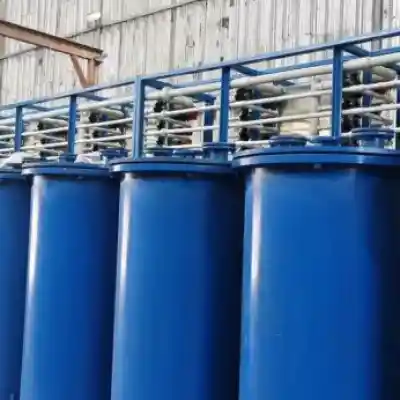

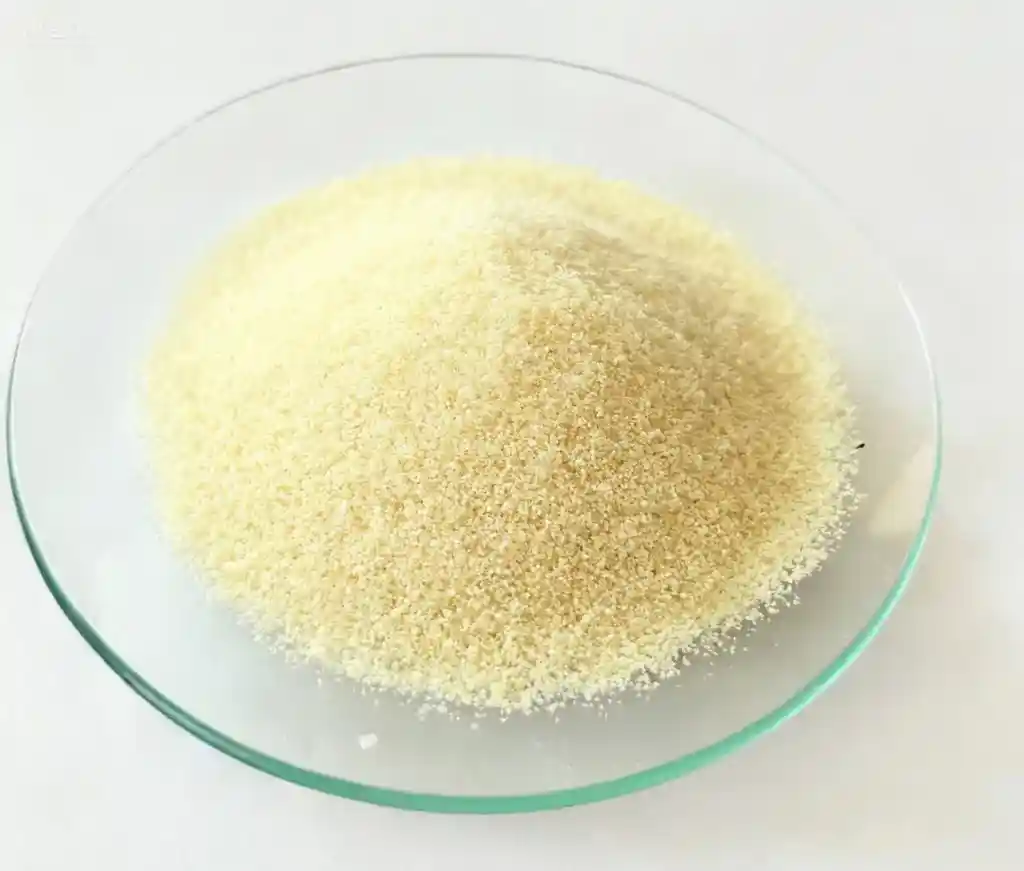
HO-1 chelating resin is a cutting-edge functional polymer material designed for selective adsorption and removal of heavy metal ions from industrial wastewater and brine solutions. As a highly specialized chelating resin, it features unique iminodiacetic acid functional groups that form stable coordinate complexes with heavy metal ions, enabling efficient heavy metal removal even in complex aqueous environments.
Unique Properties of HO-1 Chelating Resin
HO-1 chelating resin stands out in the field of heavy metal separation due to its exceptional structural and functional characteristics. The resin matrix is composed of a macroporous polystyrene-divinylbenzene copolymer, providing excellent physical and chemical stability.
The resin maintains stable performance over a wide temperature range (0-80°C) and can withstand harsh chemical environments, including exposure to acids, bases, and organic solvents commonly found in industrial wastewaters.
Performance Parameters and Quality Standards
Total exchange capacity: ≥ 2.5 eq/L (copper capacity)
Moisture content: 52-60% (sodium form)
Particle size range: 0.4-1.25 mm (≥ 95%)
Wet apparent density: 700-800 g/L
pH stability range: 0-14
Maximum operating temperature: 80°C
Applications in Heavy Metal Removal and Wastewater Treatmen
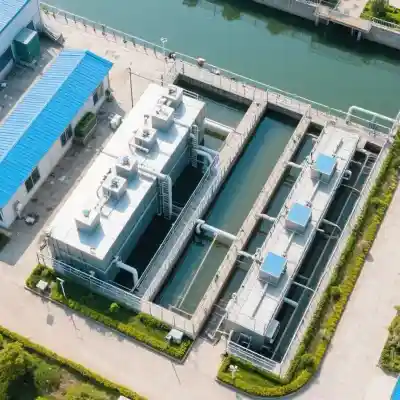
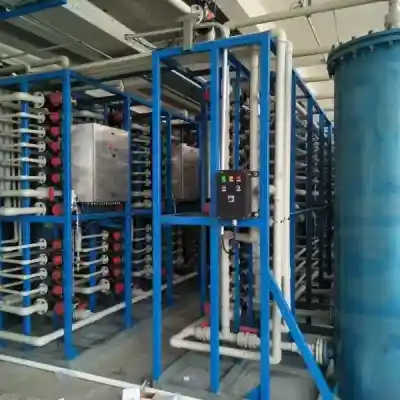
HO-1 chelating resin has proven highly effective in treating various industrial wastewaters contaminated with heavy metals. Its applications span multiple industries, including electroplating, electronics manufacturing, metallurgy, chemical processing, and mining.
In the electroplating industry, HO-1 is used for the depth treatment of rinse waters containing copper, nickel, zinc, and chromium. A typical application involves a two-stage process: preliminary chemical precipitation followed by HO-1 resin polishing.
The electronics industry benefits from HO-1’s ability to remove trace metals from complex wastewater streams. In printed circuit board manufacturing, HO-1 effectively treats wastewater containing chelated copper complexes (e.g., EDTA-Cu), which are typically resistant to conventional treatment methods.
HO-1 also plays a crucial role in the remediation of heavy metal-contaminated groundwater. Its high selectivity allows for the targeted removal of toxic metals such as lead, cadmium, and arsenic without affecting the concentrations of beneficial minerals.
Brine Refining Applications in Chlor-Alkali Industry
HO-1 chelating resin is widely recognized as an essential component in secondary brine refining for chlor-alkali production. The chlor-alkali industry relies on high-purity brine for electrolysis to produce chlorine, caustic soda, and hydrogen. Even trace amounts of calcium, magnesium, and heavy metal ions can damage expensive ion-exchange membranes and reduce process efficiency.HO-1 effectively removes these harmful impurities, ensuring brine quality meets the strict standards required for membrane electrolysis.
Conclusion and Future Developments
HO-1 chelating resin represents a significant advancement in heavy metal removal and brine purification technology.As global environmental regulations continue to tighten and the circular economy gains momentum, the demand for advanced separation technologies like HO-1 chelating resin will only increase.
Its unique combination of high selectivity, capacity, and stability makes it an indispensable tool for industries seeking to meet stringent environmental regulations while optimizing resource utilization.
Disclaimer: Hairun Resin and its affiliates expressly disclaim all express or implied warranties (including, without limitation, warranties of timeliness, accuracy, completeness, reliability, or fitness for a particular purpose) with respect to the content of this document (including forward-looking statements). Neither Hairun Resin nor its affiliates shall be held liable for any consequences arising from errors, omissions, or other deficiencies in the document.