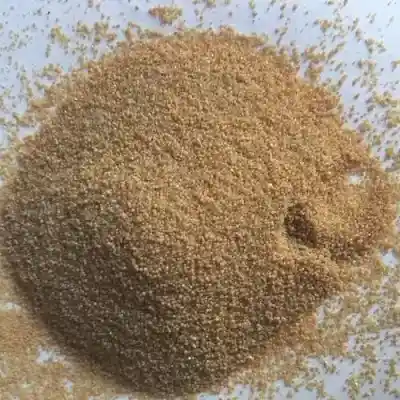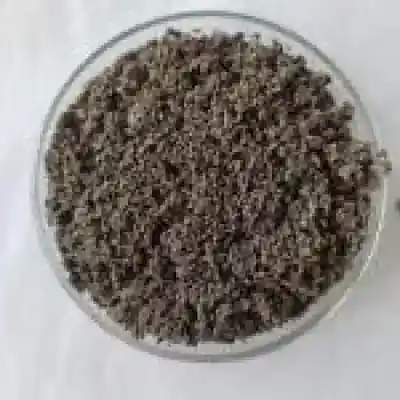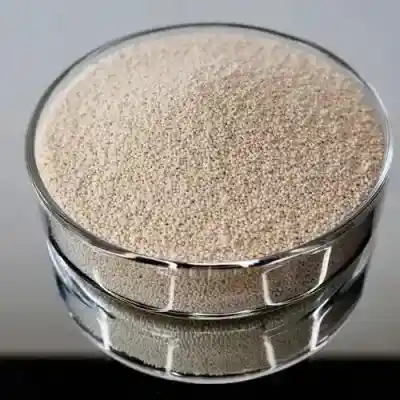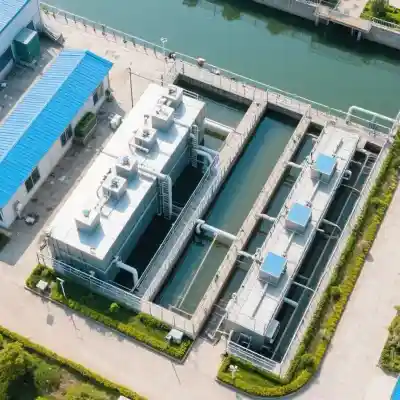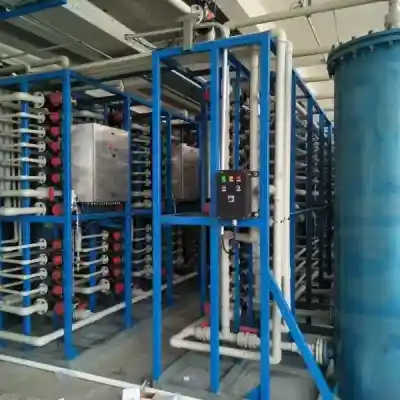

Thiourea resin, a specialized type of chelating resin, has emerged as a critical material in various industrial sectors due to its unique ability to selectively bind with heavy metals and precious metals.
Key Properties of Thiourea Resin
Selective Metal Binding
One of the most significant properties of thiourea resin is its exceptional selectivity for certain metal ions. The resin shows particularly strong affinity for:
- Precious metals: Gold (Au), silver (Ag), platinum (Pt), palladium (Pd)
- Heavy metals: Mercury (Hg), copper (Cu), lead (Pb), cadmium (Cd)
This selectivity allows thiourea resin to efficiently separate target metals from complex mixtures, even in the presence of other ions.
Chemical Stability
Thiourea resin exhibits excellent chemical stability across a wide pH range, making it suitable for use in both acidic and alkaline environments. This stability ensures consistent performance in various industrial applications, including hydrometallurgy and wastewater treatment.
High Adsorption Capacity
Thiourea resin offers impressive adsorption capacities for target metals. These high capacities make thiourea resin a cost-effective solution for metal recovery applications.
Regeneration Potential
While some thiourea resins are designed for single-use applications, many can be regenerated and reused multiple times. Regeneration typically involves using acidic solutions or complexing agents to break the metal-resin bonds and release the captured metals.
Industrial Applications of Thiourea Resin
Precious Metal Recovery
Thiourea resin is widely used in the mining and metallurgical industries for the recovery of precious metals from ore leach solutions and process waters. The resin’s high selectivity allows for efficient extraction of gold, silver, platinum, and palladium, even from low-concentration solutions.
Heavy Metal Removal from Wastewater
Thiourea resin plays a crucial role in environmental protection by removing toxic heavy metals from industrial wastewater.
Hydrometallurgical Processes
In hydrometallurgy, thiourea resin is used for the separation and purification of metals from leach solutions. The resin’s ability to selectively bind with target metals allows for efficient recovery of valuable metals while minimizing the loss of other components.
Catalyst Recovery
Thiourea resin is also used in the chemical industry for the recovery of precious metal catalysts, such as palladium and platinum, from process streams. This helps reduce production costs and minimize environmental impact by recycling valuable materials.
Conclusion
Thiourea resin has established itself as a versatile and effective material for metal separation and recovery applications across various industries. Its unique properties, including high selectivity, strong metal binding, and chemical stability, make it an ideal solution for challenging industrial processes.
As industries continue to face increasing pressure to reduce environmental impact and improve resource efficiency, the demand for thiourea resin is expected to grow. Ongoing research and development efforts are likely to lead to even more advanced thiourea resin materials with enhanced performance and sustainability features.
Disclaimer: Hairun Resin and its affiliates expressly disclaim all express or implied warranties (including, without limitation, warranties of timeliness, accuracy, completeness, reliability, or fitness for a particular purpose) with respect to the content of this document (including forward-looking statements). Neither Hairun Resin nor its affiliates shall be held liable for any consequences arising from errors, omissions, or other deficiencies in the document.