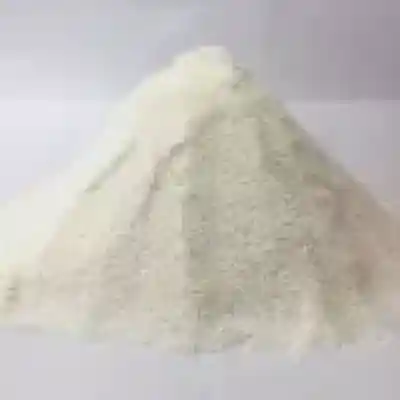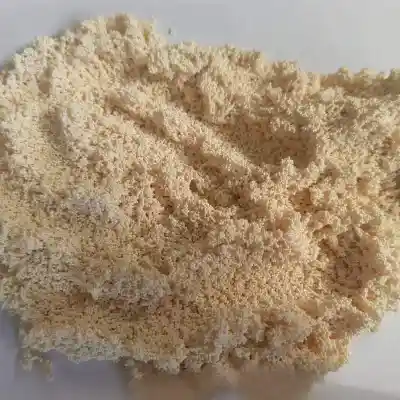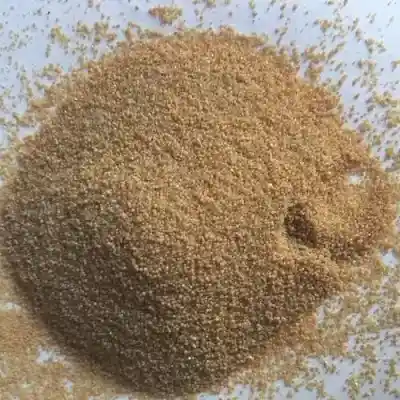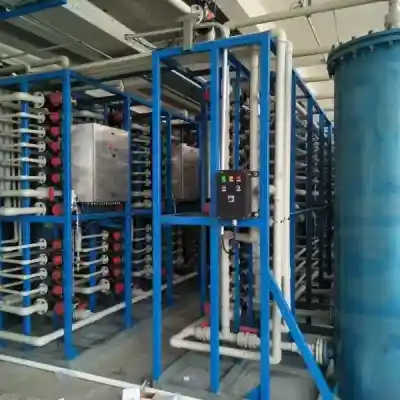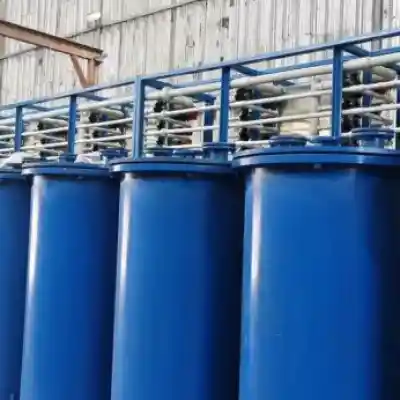

In industrial wastewater treatment, phenolic pollutants—including phenol, chlorophenol, and related compounds, which are formed by substituting hydrogen atoms on a benzene or aromatic ring with hydroxyl groups (–OH)—pose a long-recognized challenge. Owing to the widespread industrial use of these compounds, the discharge of phenol-laden wastewater has risen accordingly.
Industries Generating Phenolic Wastewater
Coal Chemical & Coking Industry
Coal gasification, coal-to-liquids conversion, and coke oven operations generate highly concentrated phenolic wastewater containing phenol, cresols, xylenols, and other aromatic compounds.
Petrochemical & Oil Refining
Petroleum refining, lubricant production, and petrochemical manufacturing release phenolic wastewater from catalytic cracking units, extraction operations, and product purification.
Pharmaceutical Manufacturing
Production of phenolic-based pharmaceuticals, disinfectants, and pharmaceutical intermediates releases toxic phenolic compounds that resist biological degradation.
Pesticide & Agrochemical Production
Many pesticides, herbicides, and fungicides are phenol-based or produce phenolic intermediates, creating highly toxic wastewater.
Resin & Polymer Manufacturing
Phenolic resin production, epoxy resin manufacturing, and polymer processing generate phenolic wastewater from reaction byproducts and equipment cleaning.
Steel & Metal Processing
Pickling operations and surface treatment processes produce wastewater containing phenolic compounds from rust inhibitors and cooling additives.
Why Phenolic Wastewater Is So Difficult to Treat
Toxicity to Biological Systems
Phenol is highly toxic to microorganisms — even at low concentrations (50-100 mg/L), it can inhibit or kill the bacteria used in conventional biological wastewater treatment.
Poor Biodegradability
Many phenolic compounds are recalcitrant — they resist biological degradation even when microorganisms can survive. Substituted phenols (chlorophenols, nitrophenols, bromophenols) are particularly stubborn.
Complex Mixtures
Industrial phenolic wastewater rarely contains just phenol. It typically includes:
Multiple phenolic compounds (phenol, cresols, xylenols, catechol, resorcinol); other organic pollutants (COD contributors); inorganic salts; suspended solids and oils
This complexity makes single-technology treatment approaches ineffective.
Due to its inherent toxicity, recalcitrance, and compositional complexity, phenolic wastewater have prompted the development of a wide range of treatment technologies in practice.
| Technology | How It Works | Advantages | Limitations |
|---|---|---|---|
| Steam Stripping | Steam volatilizes phenolic compounds, which are then condensed and separated. | – Well-established technology – Effective for volatile phenols – No chemical additives required | – High energy consumption (steam generation costs) – Limited effectiveness for non-volatile and substituted phenols (cresols, xylenols) – Requires large volumes of steam for dilute wastewaters – Condensate requires further treatment – Not economically viable for phenol recovery at low concentrations – Scaling and fouling issues in heat exchangers |
| Biological Treatment | Microorganisms metabolize phenolic compounds, converting them to CO₂, water, and biomass. | – Low operating costs – Environmentally friendly (destructive treatment) – Well-suited for low-concentration, biodegradable phenols | – Severe toxicity constraints (phenol inhibits microbial activity above ~50–100 mg/L) – Cannot handle high-concentration phenolic wastewater directly – Long startup period (weeks to months for biomass acclimation) – Poor performance with substituted phenols (chlorophenols, nitrophenols) – Sensitive to shock loads and temperature fluctuations – No resource recovery (phenol is destroyed) – Requires extensive pretreatment for industrial wastewaters – Large footprint (aeration tanks, settling basins) |
| Activated Carbon Adsorption | Granular or powdered activated carbon adsorbs phenolic compounds onto its surface. | – Effective for low-concentration phenol removal – Can achieve deep phenol removal | – Single-use or expensive regeneration (thermal regeneration at high temperatures) – High operating costs due to frequent carbon replacement – Limited adsorption capacity for phenol compared to specialized resins – Poor selectivity (competes with other organics for adsorption sites) – Difficult to recover phenol from spent carbon (thermal regeneration destroys phenol) |
| Solvent Extraction | Organic solvents selectively dissolve phenolic compounds from wastewater, followed by solvent regeneration and phenol recovery. | – Effective for high-concentration phenolic wastewater – Can recover phenol as a valuable product | – Solvent loss and secondary contamination risk – High solvent consumption and operating costs – Complex multi-stage process requiring precise control – Environmental and safety concerns with organic solvents (flammability, toxicity) |
Why Macroporous Adsorption Resin Is the Superior Choice
Macroporous adsorption resins combine the best attributes while overcoming the limitations of conventional approaches:
✅ High Selectivity & Capacity
Specially engineered pore structures and surface chemistry provide superior phenol adsorption capacity — often 2-5× higher than activated carbon for phenolic compounds. The resin can be tailored for selective phenol capture even in complex wastewater matrices.
✅ Regenerable with Phenol Recovery
Unlike activated carbon (which destroys phenol during regeneration) or biological treatment (which oxidizes phenol), macroporous resins can be regenerated using mild alkaline or solvent solutions. The regenerated phenol is recovered in concentrated form — pure enough for reuse or resale.
✅ Energy Efficient
Compared to steam stripping (high steam consumption) and solvent extraction (solvent recovery energy), resin regeneration requires significantly less energy — especially when integrated with waste heat recovery.
✅ Safe & Environmentally Friendly
Unlike solvent extraction (flammable, toxic organic solvents), resin treatment uses water-based regeneration systems with no secondary contamination risk.
✅ Effective Across Concentration Ranges
Resins handle both high-concentration (thousands of mg/L) and low-concentration (down to trace levels) phenolic wastewater efficiently — whereas biological treatment fails at high concentrations and steam stripping becomes uneconomical at low concentrations.
✅Streamlined and Efficient System
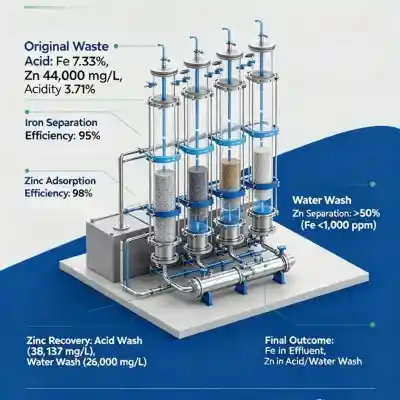
Around-the-clock operation via triple-tower linkage and automated control; real-time sensors track pollutant shifts to cut energy costs and human error; skid-mounted design, minimal footprint
✅ Long Service Life
Properly operated resin systems deliver 5+ years of service without media replacement — far longer than activated carbon replacement cycles.
✅ Lower Total Cost of Ownership
While initial capital investment may be comparable to other technologies, the combination of regenerability, phenol recovery value, low energy consumption, and long service life makes resin technology the most economical choice for long-term operation.
Case : Agrochemical Phenolic Wastewater Treatment
Industry: Agrochemical intermediates manufacturing
Wastewater Type: High-concentration phenolic wastewater (phenol concentration ~20000 mg/L)
Treatment Scale: 600 tons/day
Discharge Standard: Phenol ≤ 10 mg/L
Result: Resin system has operated reliably for 3+ years with high customer satisfaction
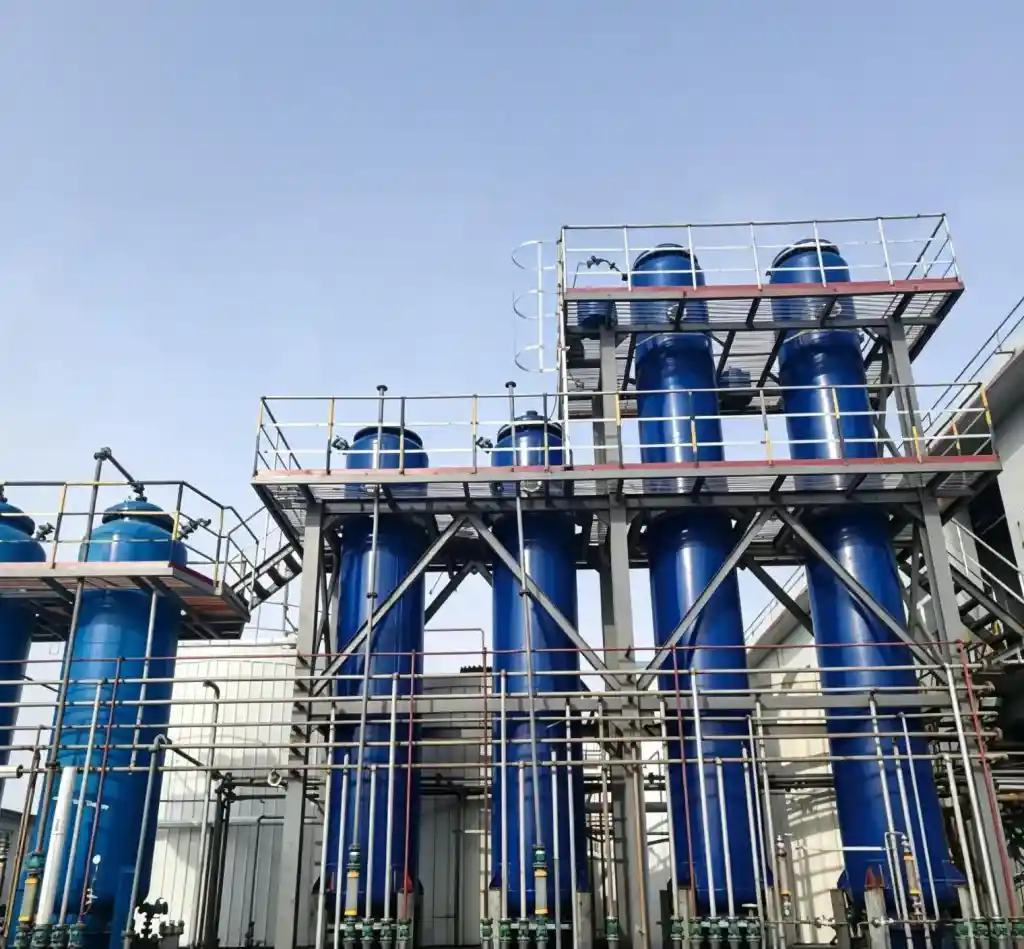
This project demonstrates the technology’s capability to handle high-concentration phenolic wastewater at industrial scale, achieving deep removal to meet strict discharge standards while maintaining long-term operational stability.
Whether you’re dealing with coal chemical, petrochemical, pharmaceutical, pesticide, or resin manufacturing wastewater — we have the technology and experience to help you achieve compliance while recovering value.
Disclaimer: Hairun Resin and its affiliates expressly disclaim all express or implied warranties (including, without limitation, warranties of timeliness, accuracy, completeness, reliability, or fitness for a particular purpose) with respect to the content of this document (including forward-looking statements). Neither Hairun Resin nor its affiliates shall be held liable for any consequences arising from errors, omissions, or other deficiencies in the document.