
Every year, industrial facilities across the globe generate millions of tons of spent acid as a byproduct of steel pickling, metal finishing, chemical synthesis, and surface treatment operations.
For decades, the default response has been neutralization—dumping lime into acid-laden wastewater to reach a “safe” pH, then dealing with the mountains of toxic sludge that follow. Or worse, thermal destruction that vaporizes both the acid value and your operational budget.
Here’s the uncomfortable truth: These approaches don’t solve the problem. They merely relocate it—shifting costs from raw material purchases to waste disposal fees, environmental liabilities, and regulatory exposure.
Resource recovery isn’t just an eco-conscious talking point. For facilities processing iron, steel, aluminum, or engaged in chlorination/nitration chemistry, acid reclamation directly impacts competitiveness.
Industries Where Spent Acid is a Core Challenge
Steel & Metal Processing
Steel pickling alone consumes enormous volumes of hydrochloric and sulfuric acid to remove oxide scales from hot-rolled coils. The resulting spent pickle liquor contains high concentrations of dissolved iron and free acid. Without recovery, you’re discarding both the acid and the metal value.
Aluminum anodizing and etching generates similar challenges with sulfuric and phosphoric acids contaminated by aluminum salts.
Chemical Manufacturing
Chlorinated product plants—including PVC, isocyanates, and chlorinated solvents—produce waste acids laden with organic chlorides. These aren’t just corrosive; they’re complex organic mixtures that resist conventional treatment.
Nitrated product synthesis (explosives, dyes, pharmaceuticals, agrochemicals) generates sulfuric acid contaminated with nitro-compounds, nitrogen oxides, and organic byproducts. The COD loads are staggering, and direct recovery is practically impossible without proper pretreatment.
Surface Treatment & Metal Finishing
Electroplating, anodizing, and conversion coating operations produce mixed acid streams containing heavy metals, organic additives, and residual acids. Discharge regulations are tightening globally, making disposal increasingly costly and risky.
Hydrometallurgy
Leaching operations in non-ferrous metal extraction use sulfuric and hydrochloric acids to dissolve target metals. The resulting Pregnant Leach Solutions (PLS) require acid regeneration, while the raffinate streams need treatment before discharge or recycling.
Dye & Pigment Industry
Intermediate production (K-acid, H-acid, and other naphthalene sulfonates) creates waste acids with high color, high COD, and complex organic compounds. These challenging streams require advanced adsorption and decolorization solutions.
The Technical Wall: Why Recovery Is Harder Than It Sounds
If acid recovery were simple, everyone would do it. The reality is that spent acids present a formidable set of challenges:
Complex Contamination Profiles
Spent acids rarely contain just one impurity. They’re mixtures of dissolved metals, complex organics, inorganic salts, and suspended solids—all at varying concentrations depending on batch, season, or upstream process variations.
Organic Pollutants Are Stubborn
In chlorinated and nitrated waste streams, organic contaminants aren’t simple oils or solvents. They’re chemically bound chlorine or nitrogen species with high COD, often resistant to conventional oxidation or biological treatment.
Acid-Metal Separation at Scale
The fundamental challenge: how do you efficiently separate free acid from dissolved metal salts without destroying the acid molecule? Traditional methods struggle here.
Corrosive Environments
The very properties that make acids useful—high reactivity, low pH—also destroy most engineering materials. Equipment selection is severely constrained.
Concentration Fluctuations
Waste acid doesn’t arrive neatly packaged at constant concentration. It varies batch-to-batch, making consistent recovery difficult.
Purity Requirements for Reuse
Recovered acid must meet quality specifications to re-enter production. Residual impurities can contaminate products, corrode equipment, or introduce unwanted reactions in downstream processes.
The Hairun Resin Approach: Selective Separation at the Molecular Level
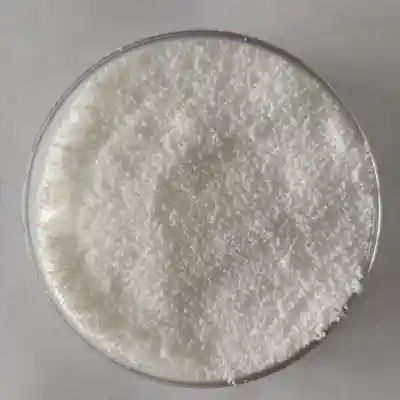
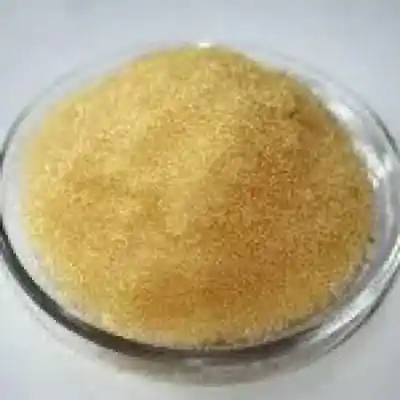
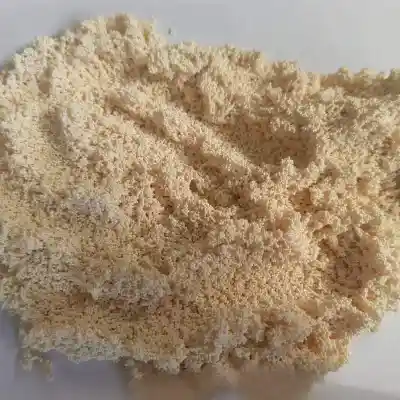
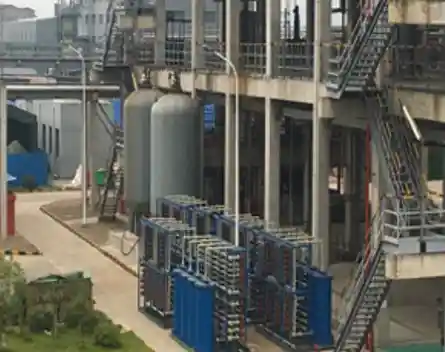
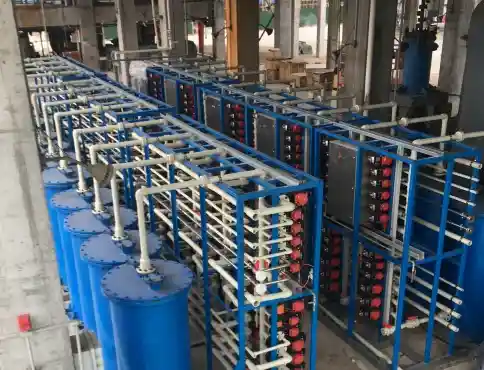
At Hairun Resin, we’ve developed specialized adsorption resin technologies specifically engineered for spent acid recovery—addressing the exact challenges outlined above.
For Chlorinated Waste Acids
Our proprietary resin systems selectively remove organic chloride compounds from hydrochloric and sulfuric acid streams, enabling high-purity acid regeneration without destroying the acid structure.
For Nitrated Waste Acids
We tackle the notoriously difficult nitro-organic contamination in sulfuric and nitric acid streams. Our adsorption media achieve deep decolorization and COD reduction, recovering acids that would otherwise be waste.
For Nitrogen-Containing Sulfuric Acids
Pure nitration sulfuric acids accumulate nitrogen compounds during use. Our separation technology cleanly isolates these byproducts, yielding regenerated acid that meets re-use specifications.
Our Core Advantages
Selective Adsorption
Resins target specific contaminants while preserving acid integrity
Regenerable Media
No consumables—resins restore through regeneration, dramatically lowering operating costs
High COD & Color Removal
Handles organic loads that defeat conventional treatment
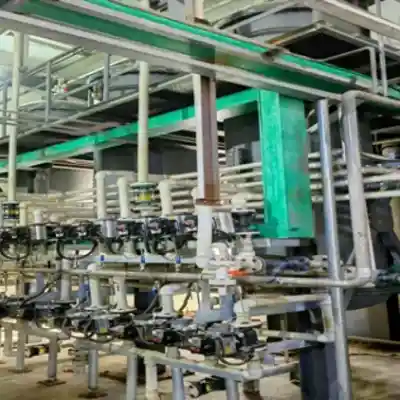
Continuous Automated Operation
Minimal operator intervention; 24/7 unattended running
Scalable Systems
From pilot testing to full-scale industrial deployment
End-to-End Partnership
We don’t just supply resins. Hairun Resin delivers complete solutions:
Resin Selection
Matching sorbent chemistry to your specific contaminant profile
Process Design
Engineering optimal flow configurations and regeneration protocols
System Integration
Incorporating resin technology into your existing operations
EPC Delivery
Turnkey installation and commissioning
Whether you’re running a steel mill, a chlor-alkali plant, a fine chemical manufacturer, or a metal finishing operation, spent acid recovery deserves a fresh evaluation.
Hairun Resin combines advanced separation science with decades of application expertise to deliver acid recovery solutions that work in real industrial conditions—not just in the laboratory.
Disclaimer: Hairun Resin and its affiliates expressly disclaim all express or implied warranties (including, without limitation, warranties of timeliness, accuracy, completeness, reliability, or fitness for a particular purpose) with respect to the content of this document (including forward-looking statements). Neither Hairun Resin nor its affiliates shall be held liable for any consequences arising from errors, omissions, or other deficiencies in the document.