
The increasing global demand for critical metals — driven by energy transition, electrification, and advanced manufacturing — has elevated metal recovery from an environmental consideration to a strategic industrial imperative.
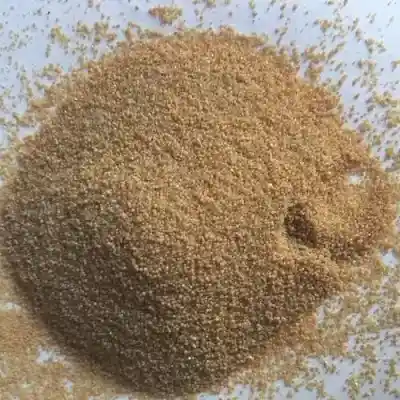
Among the technologies enabling effective metal recovery at industrial scale, chelating ion exchange resins have emerged as a cornerstone solution. These materials offer selective metal capture capabilities that address the technical and economic challenges inherent in processing complex, dilute, and variable metal-bearing streams.
1. The Strategic Context of Metal Recovery
1.1 Supply Chain Pressure and Resource Constraints
Primary metal production alone cannot sustainably meet the escalating global demand for cobalt, lithium, nickel, rare earth elements, and other critical materials. These metals form the material foundation of batteries, semiconductors, electric drivetrains, and next-generation infrastructure. Conventional mining operations face increasing challenges related to ore grade depletion, environmental permitting, capital intensity, and geographic concentration of deposits.
1.2 The Rise of Urban Mining
Urban mining — the recovery of valuable metals from secondary sources including industrial wastewater, spent catalysts, electronic waste, mining tailings, and end-of-life products — has evolved from a niche environmental practice into a mainstream industrial strategy. Industry analyses indicate that the economic value recoverable from global industrial waste streams runs into billions of dollars annually.
1.3 The Enabling Role of Chelating Resins
Chelating ion exchange resins occupy a unique position in the metal recovery technology landscape. Unlike conventional ion exchange media that operate primarily through electrostatic interactions, chelating resins feature functional groups capable of forming coordination bonds with specific metal ions. This mechanistic difference enables selectivity profiles that conventional technologies cannot achieve, particularly in challenging applications involving dilute streams, complex ionic matrices, or stringent purity requirements.
2. Fundamental Mechanisms of Selective Metal Capture
2.1 Ligand Chemistry and Selectivity
The selective behavior of chelating resins derives from the chemistry of their functional groups. Common ligand types include:
Iminodiacetic Acid (IDA) Derivatives: Provide moderate affinity for transition metals with preference for copper and nickel over alkaline earth metals. Effective across a broad pH range and compatible with standard regeneration protocols.
Aminophosphonic Acid (APA) Groups: Offer high affinity for heavy metals including copper, lead, cadmium, and zinc, with good selectivity over calcium and magnesium. Particularly effective in hard water matrices common in mining and metal processing applications.
Thiourea and Specialty Ligands: Provide exceptional selectivity for precious metals including gold, silver, platinum, and palladium. Used in catalyst recovery and precious metal refining applications.
2.2 Operating Envelope Considerations
Effective resin performance requires appropriate operating conditions:
pH Control: Metal-ligand binding affinity is pH-dependent. Most chelating resins operate optimally in the neutral to mildly acidic range, though specialty formulations extend this envelope.
Ionic Strength: High concentrations of competing ions (sodium, calcium, magnesium) can reduce effective capacity. Resin selection must account for the ionic composition of the target stream.
Flow Dynamics: Mass transfer limitations affect capacity utilization at high flow rates. Proper contactor design ensures adequate residence time for equilibrium approach.
2.3 Regeneration and Metal Concentration
The reversibility of metal-resin binding enables regeneration protocols that serve dual purposes:
Restoration of resin capacity for continued service
Generation of concentrated metal eluates suitable for downstream processing or direct sale
Typical regeneration involves elution with mineral acids (hydrochloric, sulfuric) or specialized complexing agents, followed by resin reconditioning for return to service.
3. Industrial Application Domains
3.1 Electroplating and Surface Treatment
Electroplating operations generate continuous rinse water streams containing dissolved plating metals — copper, nickel, chromium, zinc, tin, and precious metals — alongside process additives, surfactants, and high concentrations of sulfate or chloride anions.
3.2 Printed Circuit Board Manufacturing
Printed circuit board (PCB) fabrication relies on chemical copper etching processes that generate copper-laden waste streams with complex compositions. Simultaneously, semiconductor and photovoltaic manufacturing require ultra-pure process water with trace metal levels measured in parts-per-billion.
3.3 Lithium Battery Recycling
Spent lithium-ion batteries represent a rapidly expanding waste stream and an increasingly important source of critical metals. Hydrometallurgical recycling processes generate complex leachates containing lithium, cobalt, nickel, manganese, and other constituents in varying ratios depending on battery chemistry (NMC, LFP, NCA) and state of discharge.
For ternary precursor producers, resin technology provides a pathway to consistent feed quality from variable recycled feedstock, reducing the technical risk associated with incorporating secondary materials into primary production processes.
3.4 Electronics, Semiconductor, and Photovoltaic Manufacturing
Advanced electronics manufacturing requires stringent control of metallic contaminants. Semiconductor fabrication operates at technology nodes where trace metal contamination compromises device yield and reliability. Photovoltaic manufacturing similarly demands high-purity process environments.
3.5 Mining, Mineral Processing, and Tailings Management
Technical ContextAcid mine drainage and tailings leachate represent ongoing environmental challenges for mining operations. Dissolved metals including copper, cobalt, nickel, zinc, and precious metals often exist in dilute concentrations (typically 1–500 mg/L) that render conventional recovery methods economically unviable. Meanwhile, these streams represent both environmental liabilities and unrealized resource value.
For operations seeking to extract marginal-value metals from complex ore bodies, process residues, or historically deposited tailings, chelating resin technology can improve overall recovery rates and extend the economic life of mining operations.
3.6 Chemical Catalyst Recovery
Heterogeneous catalysts used in petrochemical, fine chemical, and pharmaceutical processes accumulate metal species over operational cycles. These spent catalysts represent significant residual value — particularly for platinum group metals (palladium, platinum, rhodium), nickel, and other active components. Catalyst regeneration or metal recovery adds economic value and reduces dependence on raw material procurement.
3.7 Steel and Metal Processing
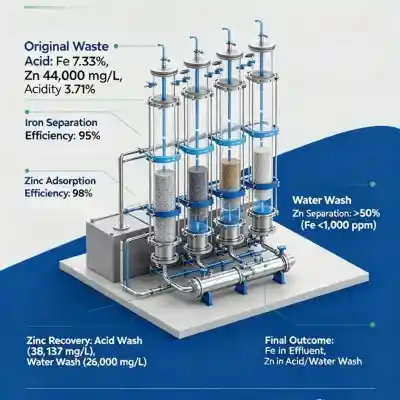
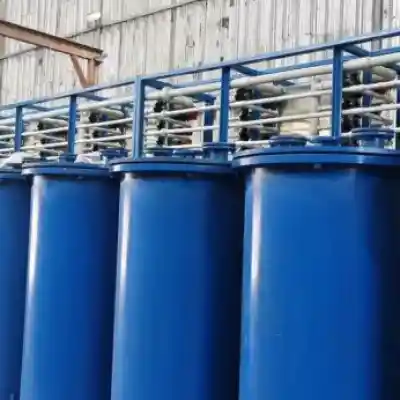
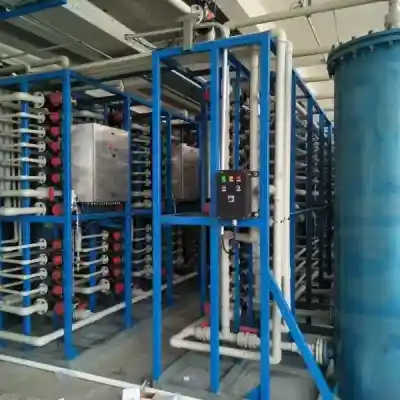
Acid pickling operations in steel and metal fabrication generate large volumes of spent acid containing dissolved iron, zinc, and other alloying elements. Traditional treatment approaches — neutralization and disposal — represent a cost center that neither recovers value nor reduces environmental impact.
Acid Regeneration: Selective cation exchange captures dissolved metals, producing a purified acid stream suitable for regeneration and reuse. This approach recovers acid value while reducing fresh acid procurement.
Metal Concentration: Captured metals are eluted as concentrated solutions suitable for conventional metal recovery — precipitation, electrowinning, or sale to metallurgical processors.
Closed-Loop Economics: For high-volume steel operations, acid recovery substantially improves the cost position of pickling operations while reducing disposal volumes and associated liabilities.
Chelating ion exchange resins have established themselves as a foundational technology for industrial metal recovery. Across electroplating, electronics manufacturing, lithium battery recycling, mining and mineral processing, catalyst recovery, and metal fabrication, these materials enable selective, efficient, and economically viable capture of value from complex waste streams.
The transition from linear consumption to circular resource management represents both an environmental imperative and an economic opportunity. Supply chain dynamics, regulatory pressure, and resource constraints are driving increased adoption of recovery technologies across industrial sectors.
Disclaimer: Hairun Resin and its affiliates expressly disclaim all express or implied warranties (including, without limitation, warranties of timeliness, accuracy, completeness, reliability, or fitness for a particular purpose) with respect to the content of this document (including forward-looking statements). Neither Hairun Resin nor its affiliates shall be held liable for any consequences arising from errors, omissions, or other deficiencies in the document.