
The global industrial sector faces an unprecedented wave of tightening environmental regulations. Regulatory bodies across Asia-Pacific are implementing stricter wastewater discharge standards, mandatory real-time monitoring systems, and more rigorous enforcement mechanisms. For pharmaceutical manufacturers, dye producers, chemical processors, and leather tanneries, achieving compliant effluent quality has become both a pressing operational challenge and a strategic imperative.
The Evolving Regulatory Landscape
India: Central Pollution Control Board (CPCB) Tightens Industrial Reuse Standards
The Central Pollution Control Board of India has issued revised guidelines for industrial wastewater reuse, with implementation scheduled for October 1, 2026.
The regulatory framework introduces a color-coded classification system, with RED category industries—particularly bulk drugs and pharmaceutical manufacturing—facing the most stringent requirements. Facilities classified under RED category must demonstrate advanced treatment capabilities before discharge or reuse, with particular focus on chemical oxygen demand (COD), color, and toxicant removal.
Vietnam: Ministry of Natural Resources and Environment (MONRE) Restructures Environmental Governance
Vietnam’s Ministry of Natural Resources and Environment has released its environmental protection plan for 2026-2031, signaling a fundamental shift in regulatory approach.
Of particular significance is the structural transformation from a permitting-centric model to a post-compliance enforcement model. This shift means industries—including dye manufacturing, chemical production, and leather processing—can no longer rely solely on obtaining initial approvals.Instead, continuous demonstration of compliance throughout operations becomes the regulatory focus.
Australia: Environment Protection Authority Victoria Strengthens Enforcement
Environment Protection Authority Victoria has intensified compliance enforcement activities in 2026, conducting unannounced inspections in western industrial zones and issuing multiple compliance notices requiring immediate improvements to pollution control measures.
The regulatory authority has signaled particular attention to odor management, wastewater discharge quality, and hazardous waste handling. Industries with legacy contamination issues—including chemical manufacturing and leather processing operations—face specific requirements to address historical pollution impacts.
These enforcement actions demonstrate a broader trend toward personal accountability for environmental offenses, with penalties extending to individual officers alongside corporate liability. The message is clear: environmental compliance can no longer be treated as an administrative afterthought.
Polymer Resin Solutions for Industrial Compliance
Adsorption Resins for Organic Pollutant Removal
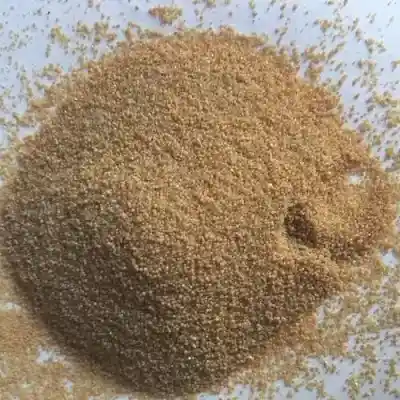
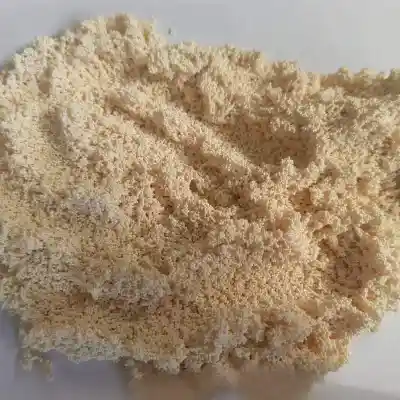
Macroporous adsorption resins have proven highly effective for removing recalcitrant organic pollutants from industrial wastewater. These polymeric materials with precisely controlled pore structures selectively adsorb organic molecules while exhibiting excellent physical stability and regeneration capability.
For pharmaceutical wastewater, adsorption resins remove phenolic compounds, residual solvents, and chromophoric groups that contribute to COD and color. The process operates effectively at ambient temperature and pressure, with concentrated pollutant streams generated for subsequent specialized disposal or recovery.
Dye industry applications demonstrate particular value. Adsorption resins achieve deep decolorization and removal of aromatic amine compounds, reducing the loading on biological treatment systems and enabling compliance with stringent discharge standards. Regenerated resin can be returned to service, reducing operating costs.
Halogenated organics, phenolics, and aniline derivatives from chemical manufacturing respond well to adsorption treatment. The concentrated regeneration stream from resin adsorption—typically a small volume of high-concentration pollutants—is far more suitable for advanced oxidation, incineration, or specialized disposal than the original dilute effluent.
Chelating and Specialty Ion Exchange Resins
Chelating ion exchange resins provide selective removal of specific target species, particularly metal ions, from complex process streams.
Tannery wastewater applications illustrate this capability. Specially formulated chelating resins remove and concentrate trivalent chromium from tanning effluents, enabling chromium recovery for reuse—a process that improves economics while eliminating a waste disposal challenge. Selective chromium removal also facilitates subsequent sulfide and organic matter treatment.
Water Softening and Demineralization Applications
Beyond pollutant removal, ion exchange technologies support industrial wastewater treatment through hardness removal and water quality improvement. Softening resins prevent scale formation in treatment equipment, while demineralization systems produce high-purity water for process reuse or rinse applications.
These applications support the water reuse objectives emphasized in current regulatory frameworks, helping facilities meet reuse requirements while reducing freshwater consumption.
Hairun Resin—Your Partner in Environmental Compliance
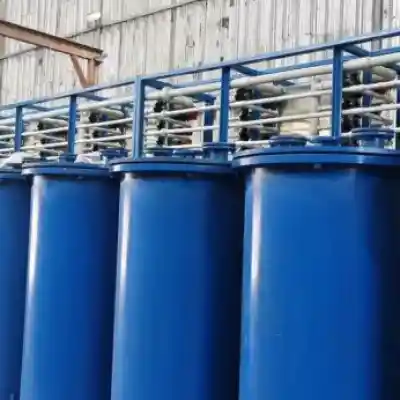
Hairun Resin has established itself as a premier provider of polymer resin solutions and engineered systems for industrial water treatment. Our capabilities extend beyond simple product supply to encompass comprehensive turnkey solutions addressing the full spectrum of customer requirements.
We recognize that effective wastewater treatment requires more than appropriate resin selection. Successful implementation demands thorough process design, precise system engineering, quality manufacturing, professional installation, and responsive operational support.
We offer comprehensive technical support spanning:
Process development and feasibility assessment
Resin selection and system design optimization
Installation supervision and commissioning
Operator training and operational guidance
Ongoing technical support and performance monitoring
The regulatory environment facing industrial manufacturers across Asia-Pacific will continue tightening. And Hairun Resin offer proven, scalable solutions for achieving environmental compliance across the most challenging industrial wastewater streams.
Disclaimer: Hairun Resin and its affiliates expressly disclaim all express or implied warranties (including, without limitation, warranties of timeliness, accuracy, completeness, reliability, or fitness for a particular purpose) with respect to the content of this document (including forward-looking statements). Neither Hairun Resin nor its affiliates shall be held liable for any consequences arising from errors, omissions, or other deficiencies in the document.