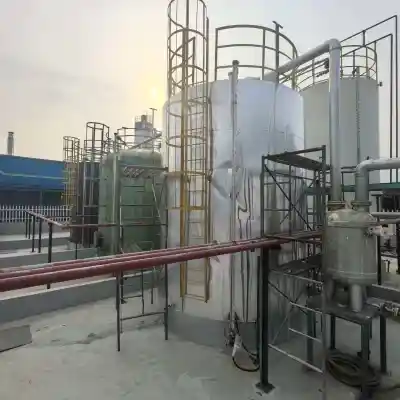

For chemical plants, VOC treatment is often seen as a compliance cost. But what if the most valuable component in your vent gas is the solvent itself?
A new-energy chemical manufacturer in China, faced this challenge with methyl chloride (CH₃Cl), a valuable feedstock that continued to escape in vent gas even after compression-condensation recovery.
Instead of destroying the remaining methyl chloride through thermal oxidation, Hairun developed a polymeric adsorbent-based pressure swing adsorption (PSA) system to recover it for reuse in production.
The Challenge: Recovering Valuable Methyl Chloride
Conventional treatment options had significant drawbacks:
Thermal oxidation: Destroys recoverable methyl chloride and consumes fuel.
Activated carbon: May require frequent replacement or off-site regeneration, increasing waste disposal costs and downtime.
The plant needed a solution that could recover the methyl chloride rather than destroy it.
The Solution: A Custom Polymeric Adsorbent PSA System
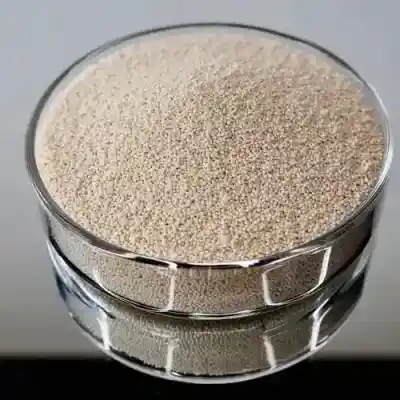
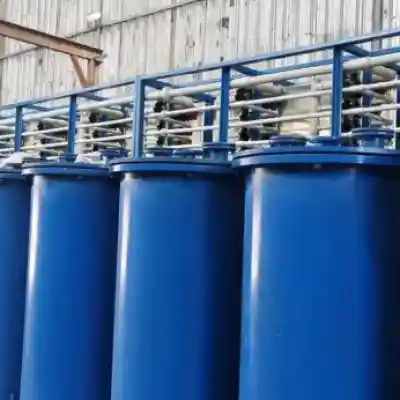
Hairun engineered a skid-mounted PSA recovery unit using a custom-formulated polymeric adsorbent selected for its affinity for methyl chloride in the presence of CO, CO₂, and N₂.
Gas passes through adsorbent beds under pressure, where methyl chloride is selectively captured while less strongly adsorbed gases pass through. The beds are then regenerated through pressure reduction and vacuum desorption, without thermal regeneration. The recovered methyl chloride is compressed and returned to the existing recovery and reuse system.
The system incorporates nitrogen purging, automated bed switching, and explosion-protection measures designed for the operating conditions and flammability hazards of methyl chloride.
Industrial Performance
| Performance indicator | Result |
| CH₃Cl concentration in discharged gas | ≤ 20 mg/m³ (design guarantee) |
| Target outlet concentration | < 10 mg/m³ |
| Purification efficiency | ≥ 99% |
| Methyl chloride recovery rate | ≥ 95% |
| Resin service life | Over 3 years |
| Equipment design life | 10 years |
How the System Reduces Operating Costs
1. Recovers valuable raw materials
With a recovery rate of at least 95%, most of the methyl chloride entering the unit can be returned to production, reducing raw material losses and replenishment costs.
2. Eliminates fuel and steam for thermal regeneration
Pressure-driven regeneration avoids the burners and continuous fuel consumption associated with thermal oxidation. No steam is required for the PSA regeneration cycle.
3. Reduces consumables and disposal costs
The adsorbent regenerates in place, with a service life exceeding three years under the specified operating conditions. This reduces spent-media handling, replacement frequency, and associated downtime.
4. Enables automated operation
PLC-controlled bed switching supports continuous operation with reduced manual intervention.
5. Supports resource recovery and emissions reduction
Rather than oxidizing recoverable methyl chloride, the system returns it to the production process, helping reduce raw material waste while controlling VOC emissions.
Where Can This Technology Be Applied?
The same selective polymeric adsorption approach can be evaluated for other solvent-bearing vent streams, including:
Chlorinated hydrocarbons: Methyl chloride, methylene chloride, and related compounds.
Pharmaceuticals and fine chemicals: Ethanol, acetone, ethyl acetate, and toluene recovery.
Petrochemicals and silicone production: VOC recovery from process vent gas.
Coatings and chemical manufacturing: Solvent recovery combined with emissions control.
Actual performance depends on the target compound, gas composition, concentration, pressure, temperature, and required outlet limits. Adsorbent selection and process design should be tailored to the specific stream.
Is valuable solvent still escaping in your vent gas?
Send Hairun your flow rate, gas composition, VOC species, temperature, and pressure. Our team can evaluate the suitability of a polymeric adsorbent recovery system for your process and help assess its potential economic benefits.
Disclaimer: Hairun Resin and its affiliates expressly disclaim all express or implied warranties (including, without limitation, warranties of timeliness, accuracy, completeness, reliability, or fitness for a particular purpose) with respect to the content of this document (including forward-looking statements). Neither Hairun Resin nor its affiliates shall be held liable for any consequences arising from errors, omissions, or other deficiencies in the document.