
In process chemistry, catalysts define everything — yield, selectivity, safety, waste, and profitability. For over a century, liquid acids like sulfuric acid, hydrofluoric acid, and aluminum chloride have been the workhorses of industrial catalysis.
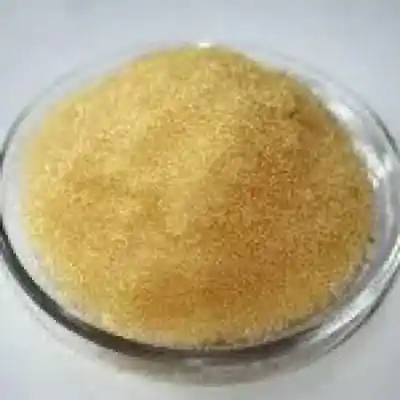
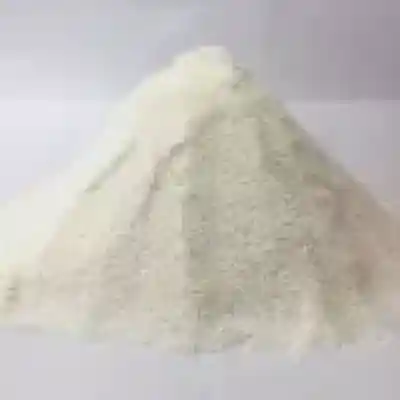
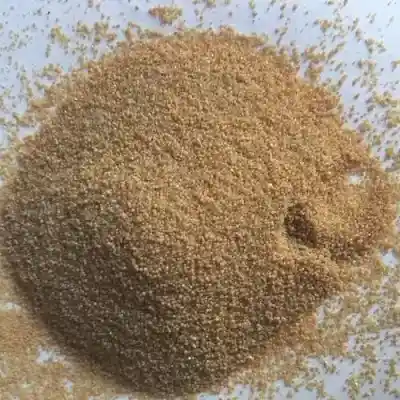
But a more efficient alternative has been gaining ground: solid polymer resin catalysts.
This isn’t a niche technology anymore. It’s reshaping how some of the world’s largest chemical processes operate.
Application Areas of Polymer Resin Catalysts
The adoption spans industries where acid/base catalysis is central to production:
1. Petrochemical & Refining
Resin catalysts are the standard catalyst for etherification reactions — producing MTBE, ETBE, and TAME as high-octane fuel blending components. They’re also used in olefin hydration, alkylation of aromatics, dimerization, and selective hydrogenation.
2. Biodiesel & Renewable Fuels
The global shift toward biodiesel has made resin catalysts essential. They catalyze the esterification of free fatty acids (FFA) and the transesterification of triglycerides into fatty acid methyl esters (FAME), enabling continuous, low-waste biodiesel production.
3. Fine Chemical & Pharmaceutical Synthesis
In pharmaceutical intermediates, resin catalysts handle hydrolysis, condensation, esterification, acetalization, and isomerization reactions — replacing corrosive liquid acids that complicate purification and generate hazardous waste.
4. Sugar Processing & Sweeteners
The isomerization of glucose to fructose in high-fructose corn syrup (HFCS) production relies on specialized resin catalysts that deliver consistent conversion rates over extended operating periods.
5. Phenol & Bisphenol Production
Phenol alkylation, bisphenol-A synthesis, and related condensation reactions increasingly use solid acid resin catalysts to replace traditional mineral acids — improving product purity and reducing environmental burden.
6. Coatings, Adhesives & Polymer Manufacturing
Acid-catalyzed polymerization, crosslinking, and curing reactions in industrial coatings and specialty polymers benefit from the controlled catalytic environment that resin beads provide.
7. Food & Beverage
Juice deacidification, sugar inversion, and organic acid processing — applications where food-grade catalyst contact is required — are ideal use cases for certified polymer resins.
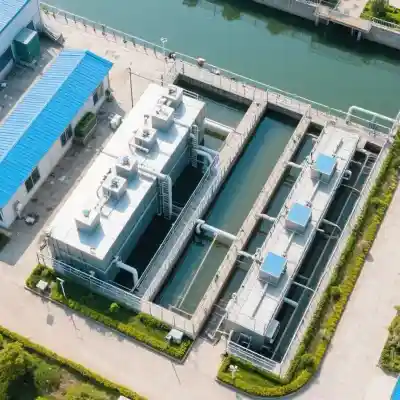
8. Water Treatment & Hydrometallurgy
Beyond ion exchange, catalytic resins are deployed for the destruction of trace contaminants (e.g., catalytic oxidation of organics) and for metal recovery from acidic leach solutions.
Advantages of Catalytic Resins
✅ Reusability & Long Service Life
Unlike liquid catalysts that are consumed in every batch, solid resin catalysts remain in the reactor and can be regenerated in-situ. Reaction-regeneration cycles are achievable with minimal loss of activity, dramatically reducing catalyst-related costs.
✅ No Neutralization, No Salt Waste
Liquid acid catalysts require post-reaction neutralization with alkali, generating large volumes of salt-laden wastewater. Resin catalysts eliminate this entirely — cleaner product, fewer waste streams, and lower treatment costs.
✅ Non-Corrosive Operation
Sulfuric acid and HF corrode reactors, piping, valves, and heat exchangers. Resin catalysts operate as solid beads in a packed bed — no corrosion means longer equipment life, lower maintenance costs, and reduced safety incidents.
✅ Tunable Selectivity
Modern resin manufacturing allows precise engineering of:
Functional group chemistry (strong acid, weak acid, base, chelating)
Pore structure (gel vs. macroporous)
Bead size and morphology
Crosslinking density
This tunability means the catalyst can be tailored to favor specific reaction pathways — maximizing yield while suppressing unwanted side reactions.
✅ Continuous Process Capability
Packed-bed reactor designs enable continuous, steady-state operation — a significant advantage over batch processes for high-volume production. Product quality remains consistent, and throughput scales predictably from pilot to full industrial capacity.
✅ Inherent Safety
No bulk acid transport. No corrosive spills. No HF exposure risks. Resin catalysts dramatically reduce site safety hazards — a critical consideration as process safety standards tighten globally.
✅ Easier Regulatory Compliance
Eliminating liquid acid handling reduces environmental permitting requirements, reporting burdens, and storage regulations. This is increasingly important as ESG frameworks and chemical safety regulations (REACH, TSCA, GHS) intensify scrutiny.
✅ Lower Carbon Footprint
Fewer waste streams, no neutralization chemicals to transport, longer equipment life, and the ability to recover and reuse products all contribute to a measurably lower environmental footprint per ton of output.
What Can Hairun Resin New Materials Offer?
As a specialized manufacturer of ion exchange and macroporous adsorbent resins, we offer:
✔ Comprehensive catalyst resin portfolio — strong acid cation, weak acid cation, strong base anion, and specialty catalytic grades
✔ Custom resin development — engineered for your specific reaction chemistry, feedstock, and operating conditions
✔ End-to-end technical service — from bench-scale feasibility studies to pilot testing, reactor design, commissioning, and ongoing optimization
✔ In-house manufacturing — full control from polymerization through functionalization and quality testing, ensuring batch-to-batch consistency
✔ Global experience — proven deployments in biodiesel, etherification, fine chemicals, sugar processing, and petrochemical applications across Asia, Europe, and the Americas
✔ Competitive pricing with long-term supply reliability — because we manufacture, not just trade
Disclaimer: Hairun Resin and its affiliates expressly disclaim all express or implied warranties (including, without limitation, warranties of timeliness, accuracy, completeness, reliability, or fitness for a particular purpose) with respect to the content of this document (including forward-looking statements). Neither Hairun Resin nor its affiliates shall be held liable for any consequences arising from errors, omissions, or other deficiencies in the document.