
Sugar refining is one of the most demanding purification challenges in the food and chemical processing industries. Whether producing refined cane sugar, beet sugar, functional sweeteners, or specialty oligosaccharides, manufacturers must remove color compounds, mineral ions, organic impurities, and off-flavors to meet strict quality standards.
Traditional purification methods — bone char, activated carbon, chemical precipitation — have served the industry for decades but come with significant limitations: high waste generation, inconsistent performance, chemical contamination risks, and limited regenerability.
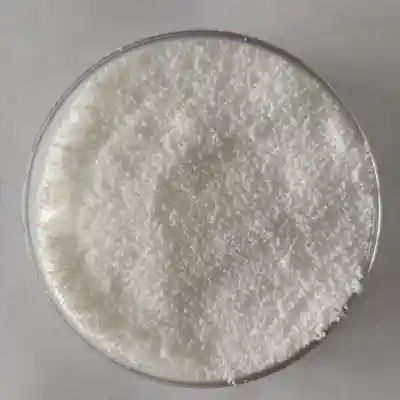
Adsorption resin have revolutionized modern sugar refining, delivering superior color removal, demineralization, and purification with regenerable media, consistent performance, and minimal environmental impact.
Sweetener purification centers on decolorization, demineralization, and removal of organic impurities.
Cane/beet sugar must cut color from ICUMSA 1000–3000 to <30, reduce ash below 0.04%, and allow quick seasonal startups.
Functional oligosaccharides require deep decolorization while preserving active components, selective monosaccharide removal, and demineralization to food-grade specs.
HFCS/glucose needs protein/fiber/color removal, ash <50 ppm before isomerization to protect enzymes, and water-white syrups at high throughput.
Stevia/natural extracts demand removal of pigments and bitter off-flavors (improving RA ratio) plus organic compliance.
Polyols need residual-sugar removal, water-white decolorization, and demineralization before crystallization, sometimes to pharma grade.
Food-grade syrups require consistent quality, regulatory compliance (FDA/EU/Codex), and cost-effective flexibility.
Industries That Require Sugar Refining and Purification
Cane sugar and beet sugar refineries
Functional sweetener manufacturers (XOS, FOS, GOS, IMO)
High-fructose corn syrup and glucose syrup producers
Stevia and natural sweetener extraction
Sugar alcohol production (sorbitol, xylitol, erythritol, mannitol)
Food-grade liquid sugar and invert syrup manufacturers
Pharmaceutical sugar and excipient producers
Specialty sugar and caramel color manufacturers
Case Study: Xylooligosaccharide (XOS) Decolorization and Purification System
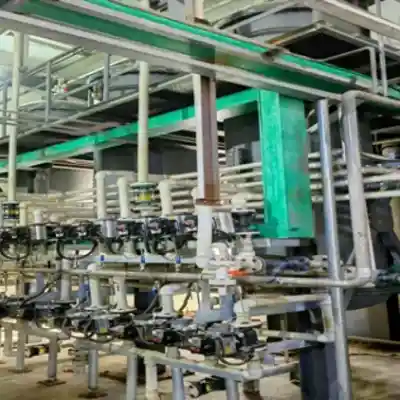
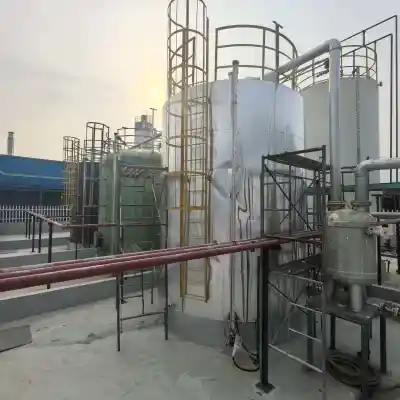
A functional sweetener manufacturer in China needed a comprehensive purification system for xylooligosaccharide (XOS) production. XOS is a high-value prebiotic oligosaccharide produced from corncob xylan through enzymatic hydrolysis. The crude XOS solution required extensive decolorization and demineralization to meet food-grade specifications.
Primary purification stage: 120 m³/d
Secondary purification stage: 20 m³/d
Primary Stage (First Ion Exchange):
Feed specifications:
Refractive index (Brix): 2-3%
pH: 3-5
Transmittance: 8-10% (highly colored)
Conductivity: <4,000 μS/cm
Secondary Stage (Second Ion Exchange):
Feed specifications:
Refractive index (Brix): 25-30% (concentrated XOS solution)
pH: 3-5
Transmittance: 8-10%
Conductivity: <200 μS/cm
Results
✅ Primary stage transmittance improvement: From 8-10% to >75% — achieving 7-9x color removal
✅ Secondary stage transmittance improvement: From 8-10% to >80% — achieving 8-10x color removal
✅ **Conductivity reduction: From 4,000 μS/cm to <50 μS/cm** — achieving >98% demineralization
✅ pH stabilization: Outlet pH 3.5-6.0 — meeting food-grade specifications
✅ Continuous 140 m³/d total capacity — handling full facility production volume
✅ Fully automatic operation — minimal operator intervention required
✅ Food-grade quality — XOS product meets all food safety and quality specifications
ROI:
High-value XOS product (market price: 50,000-100,000 RMB/ton)
System payback period: Typically 6-12 months for functional sweetener applications
Long-term resin life: 3-5 years with proper regeneration
Conclusion
Sugar refining and purification is critical for producing high-quality sweeteners that meet food safety, regulatory, and customer specifications. Polymer resins deliver superior performance compared to traditional methods — with regenerable media, consistent quality, minimal waste generation, and proven cost-effectiveness.
Whether you’re refining cane sugar, producing functional oligosaccharides, manufacturing high-fructose corn syrup, extracting natural sweeteners, or producing pharmaceutical-grade sugars, our resin-based purification systems deliver the performance, reliability, and efficiency your operation requires.
Contact us with your raw material specifications, purification requirements, and production capacity. We’ll provide a free preliminary assessment with resin recommendations and cost analysis.
Disclaimer: Hairun Resin and its affiliates expressly disclaim all express or implied warranties (including, without limitation, warranties of timeliness, accuracy, completeness, reliability, or fitness for a particular purpose) with respect to the content of this document (including forward-looking statements). Neither Hairun Resin nor its affiliates shall be held liable for any consequences arising from errors, omissions, or other deficiencies in the document.